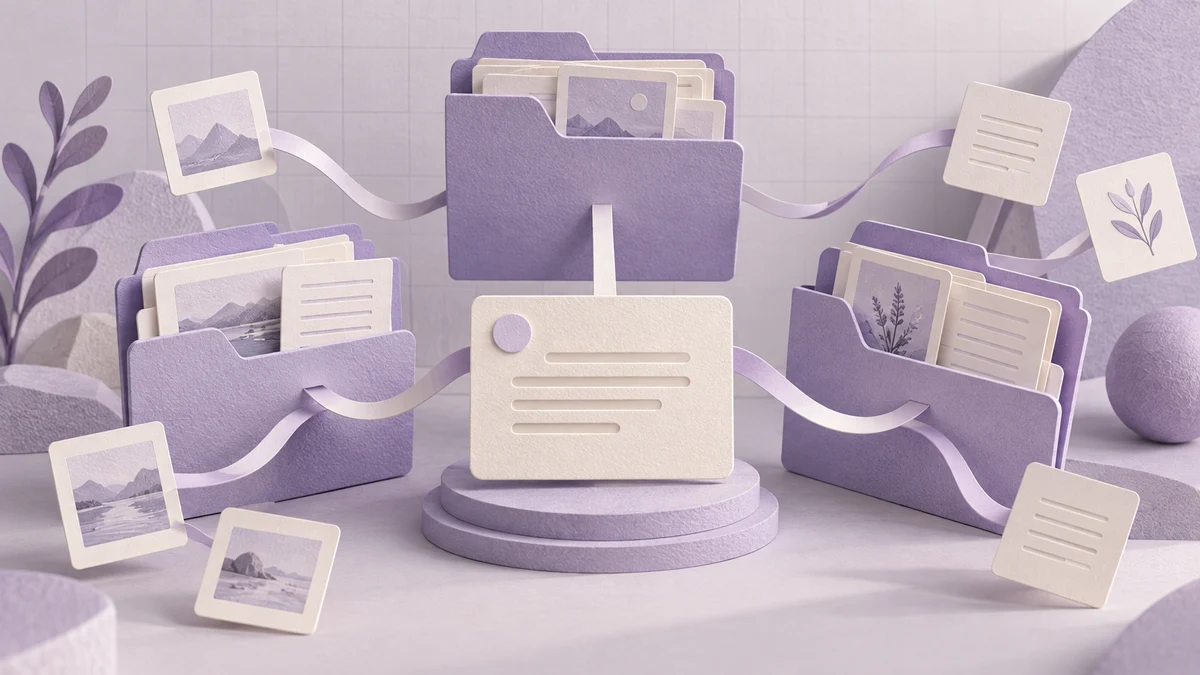
Explore ways to organize files and create images, documents and study materials with AI. Articles explain the inputs, prompts, result checks and scope of each example.
We uploaded an original event flyer to GPT-6.2, checked an $86 subtotal and changed the scenario to $100. See which deadlines and refund conditions the image cannot establish.
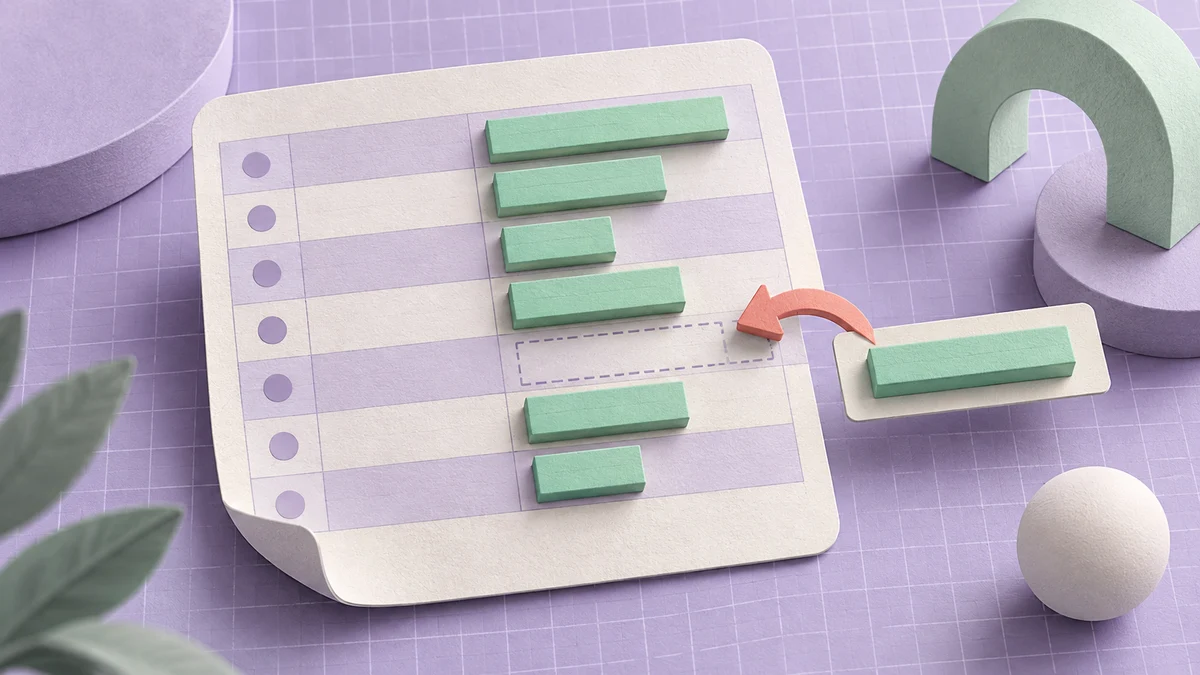
Create a private Space Page, change an owner and launch date, reopen a completed task, then check the saved table and Markdown export against the original notes.
Build an instruction-only Claude plugin for fictional return enquiries, test six boundary cases and update the policy without giving it mail or CRM access.
Copilot listed our MCP configuration but never called the tool. Follow a three-stage check, inspect the failure honestly and test a fictional server separately.
Create an original post-office puzzle as one HTML file. Download the actual game and check invalid input, hints, winning and a complete reset before changing the rules.
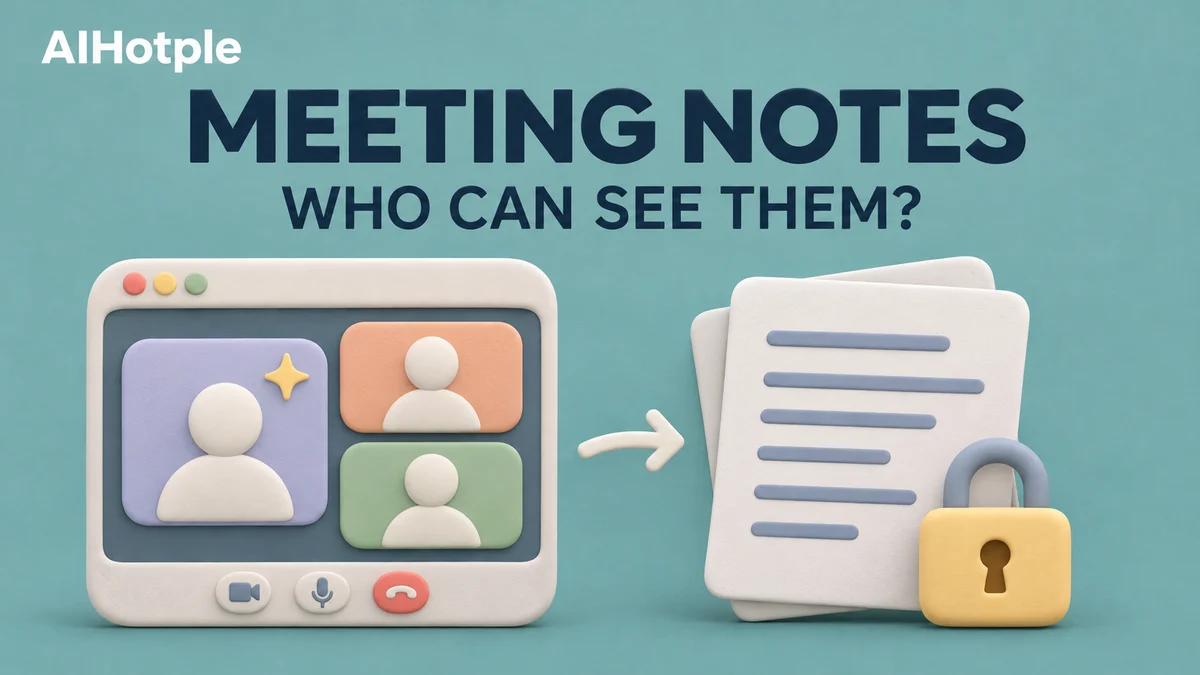
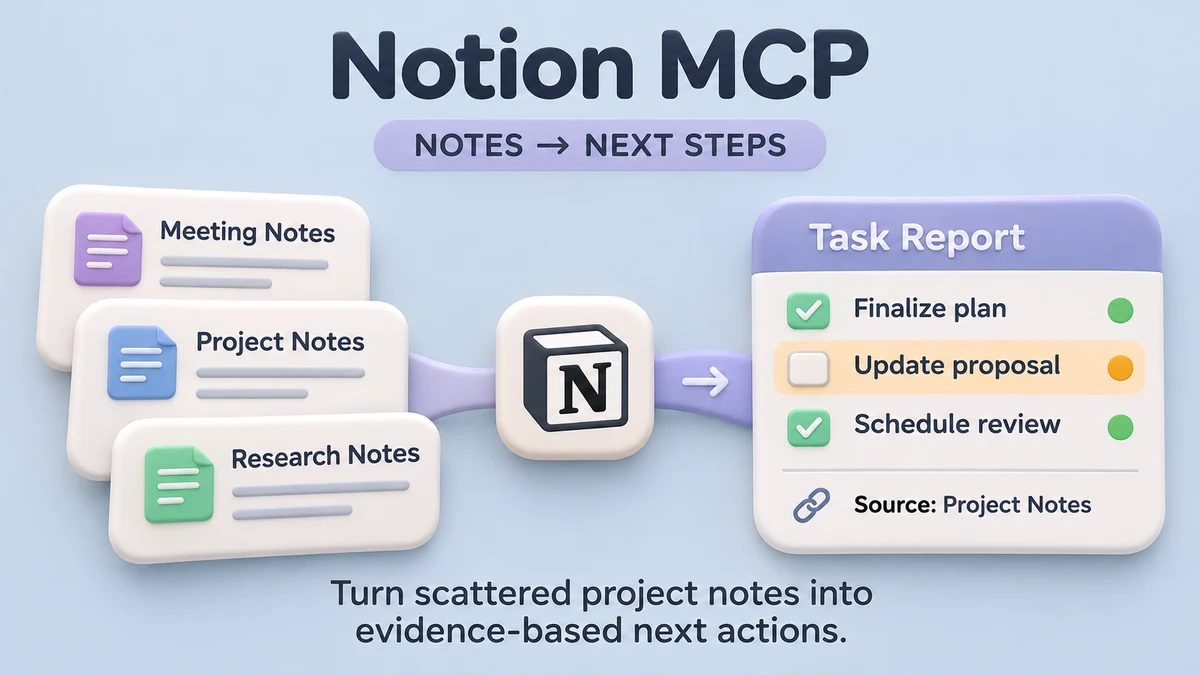
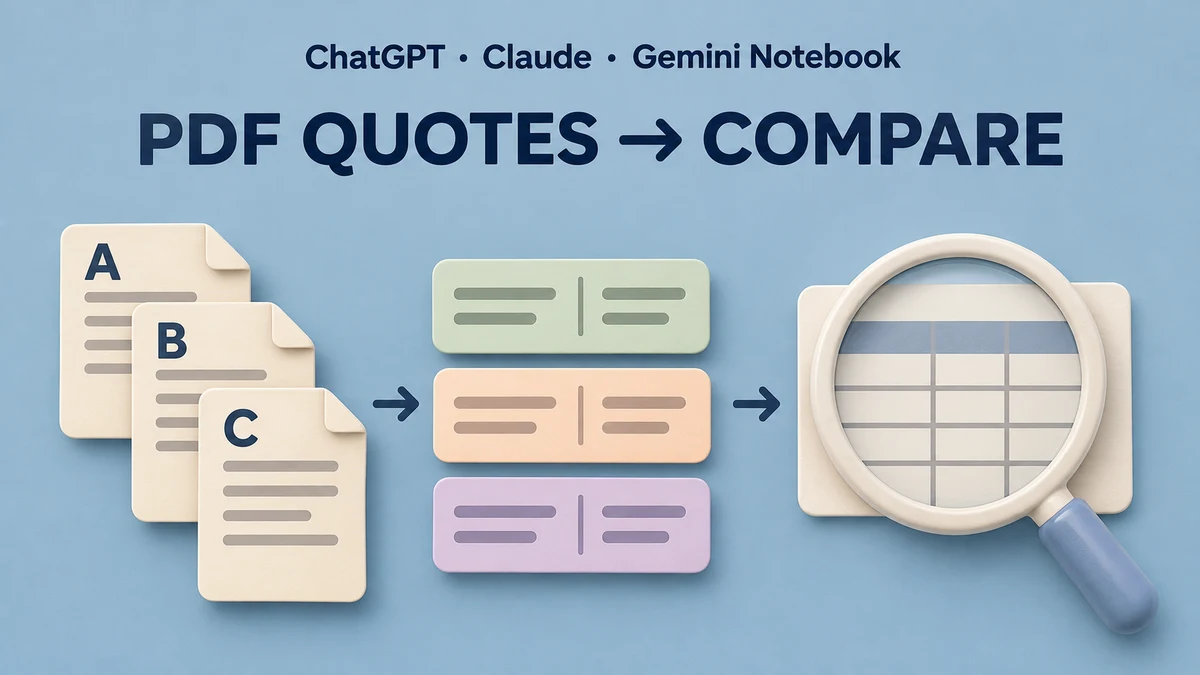
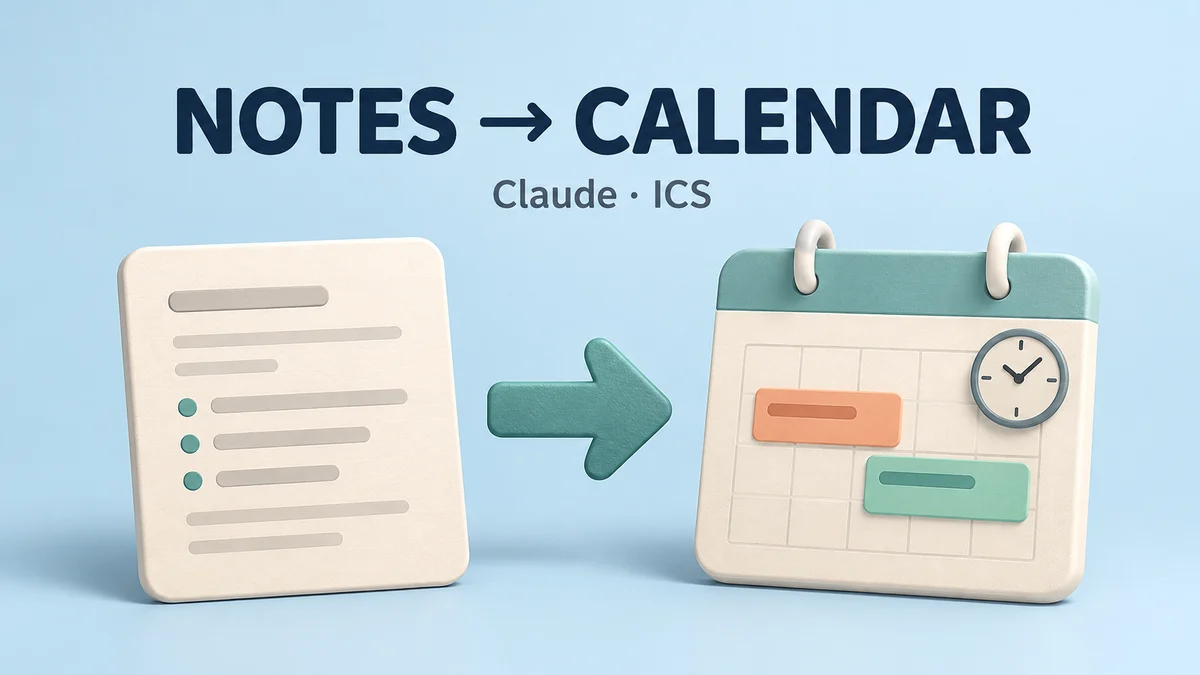
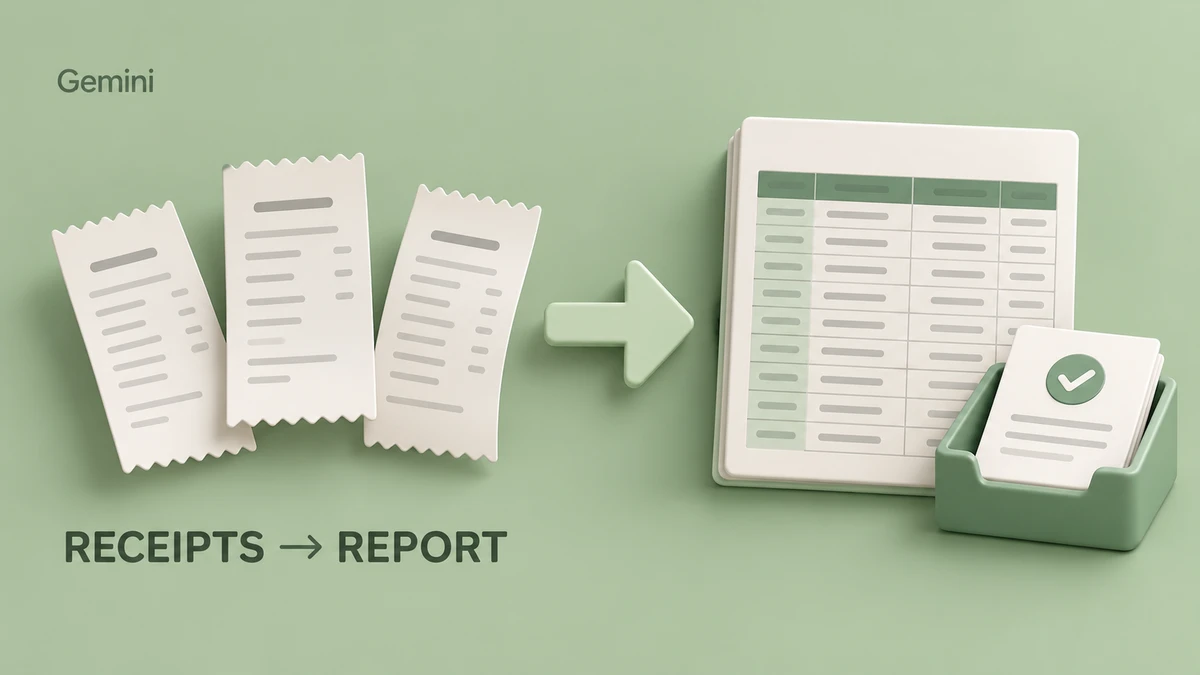
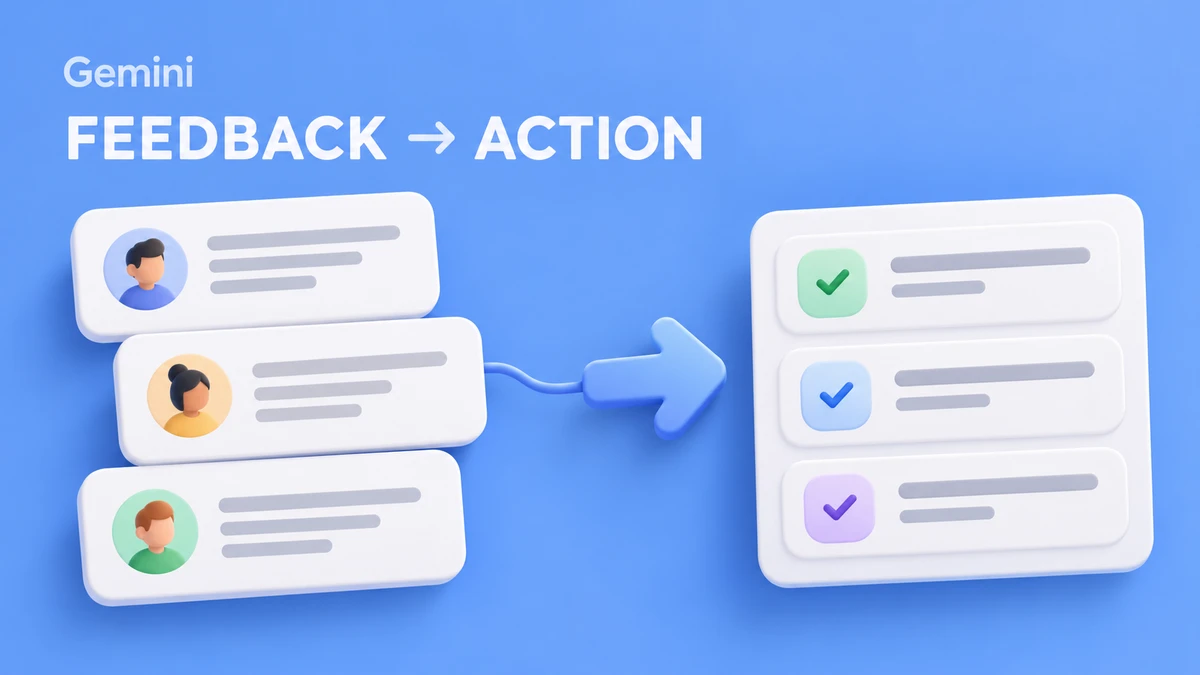
Upload three fictional notes, resolve an outdated budget status and export a report. Check which decisions are still open before passing the draft to a colleague.
Neon remained locked on recheck. Two source-only Auto exercises audit quote arithmetic, unknown tax and changed quantities, revisions and archive charges.
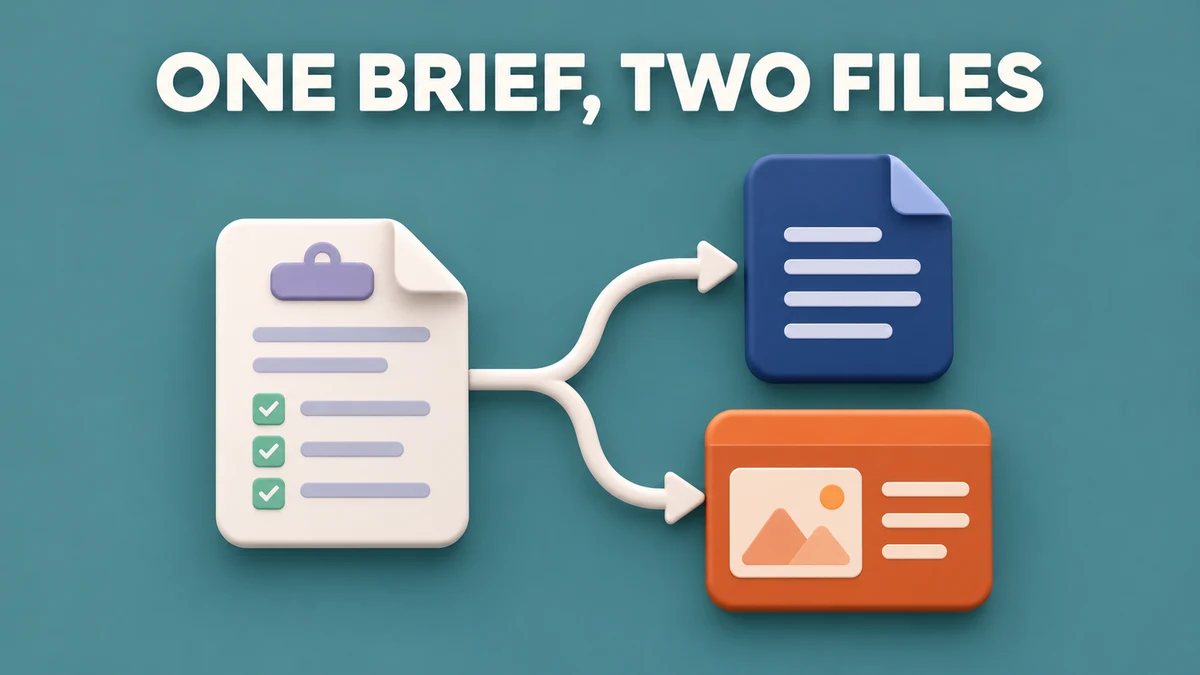
Turn one fictional sales call into an email and an internal action table. Keep the buyer’s budget, proposed launch and unassigned work distinct from agreed commitments.
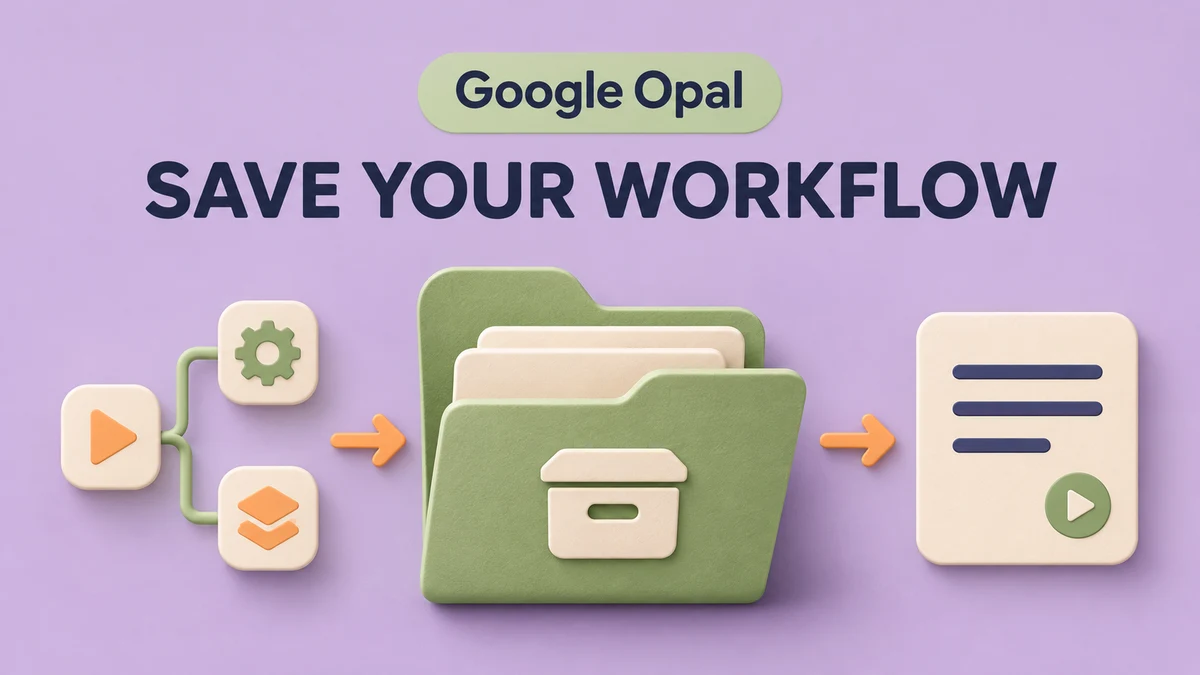
Save proposal instructions with a reference file, then run two fictional customers in fresh chats. Check the budget, date and scope before treating the result as a proposal.
We changed a fictional mug price in Google Slides. The digits were correct, but the returned image was smaller and had a new mark. Test the same input and compare an exact text-layer alternative.
Make a short staff-training clip in AI Studio. Start with a stock presenter and check the spoken numbers, framing, runtime and export limits before handing it to a team.
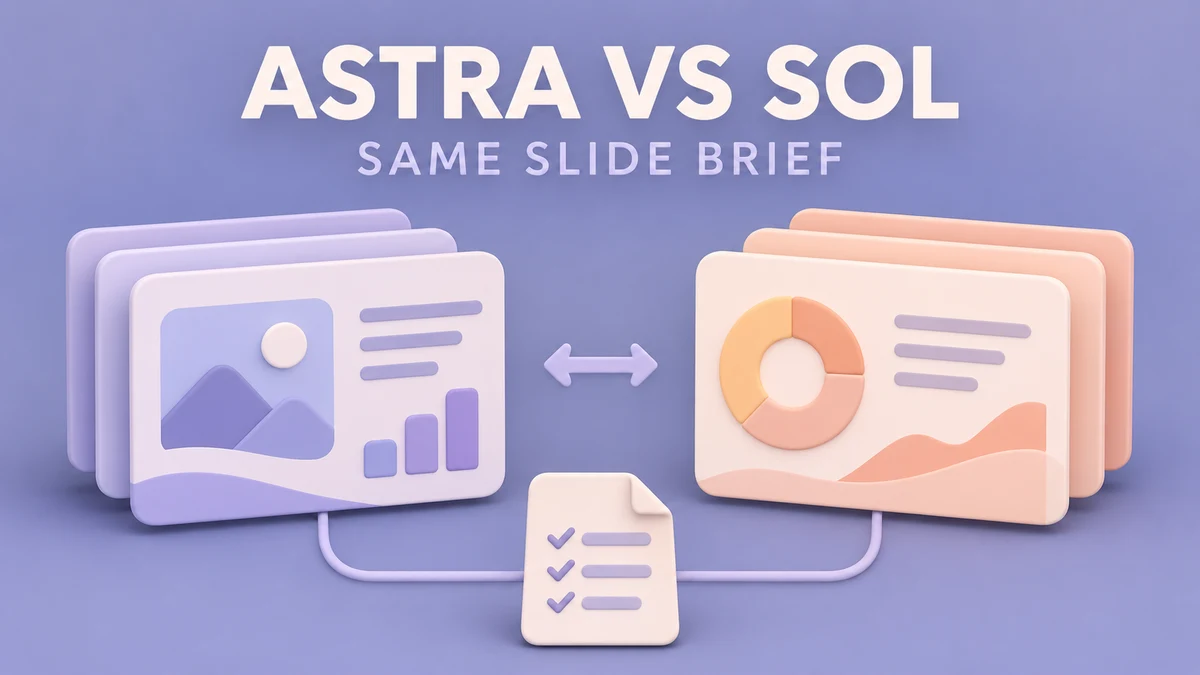
Download two PowerPoint files made from the same template and brief. See how Astra and Sol placed the charts, organized the evidence and carried the June decision into the deck.
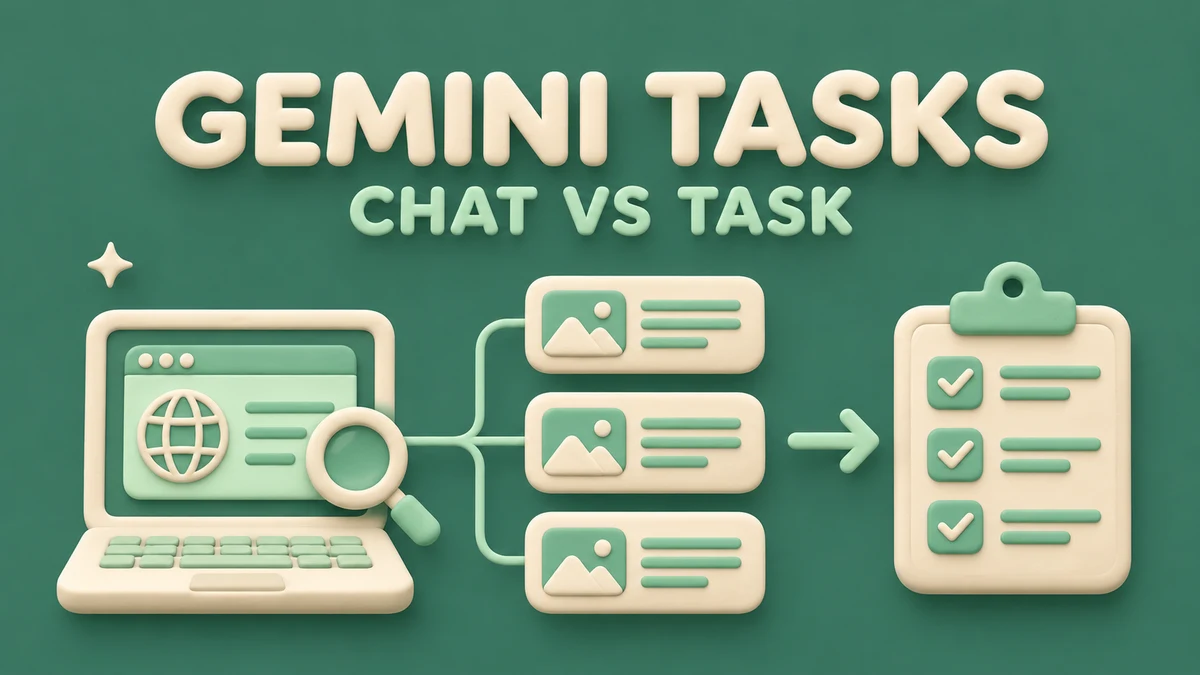
We asked both Gemini modes for Saturday admission rules at three museums. The answers agreed on the facts, while the source links and the way each result arrived differed.
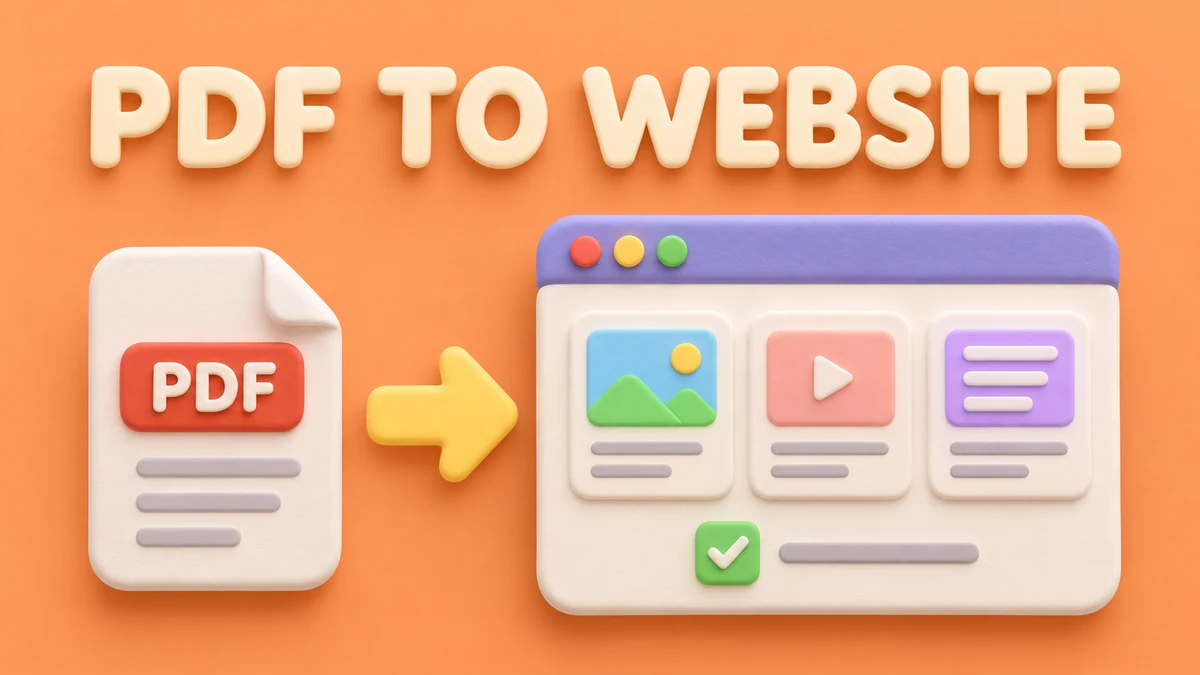
We uploaded a one-page handbook, generated a site and tested its checklist, quiz and policy lookup against the PDF. Use the same file and prompt to follow along.
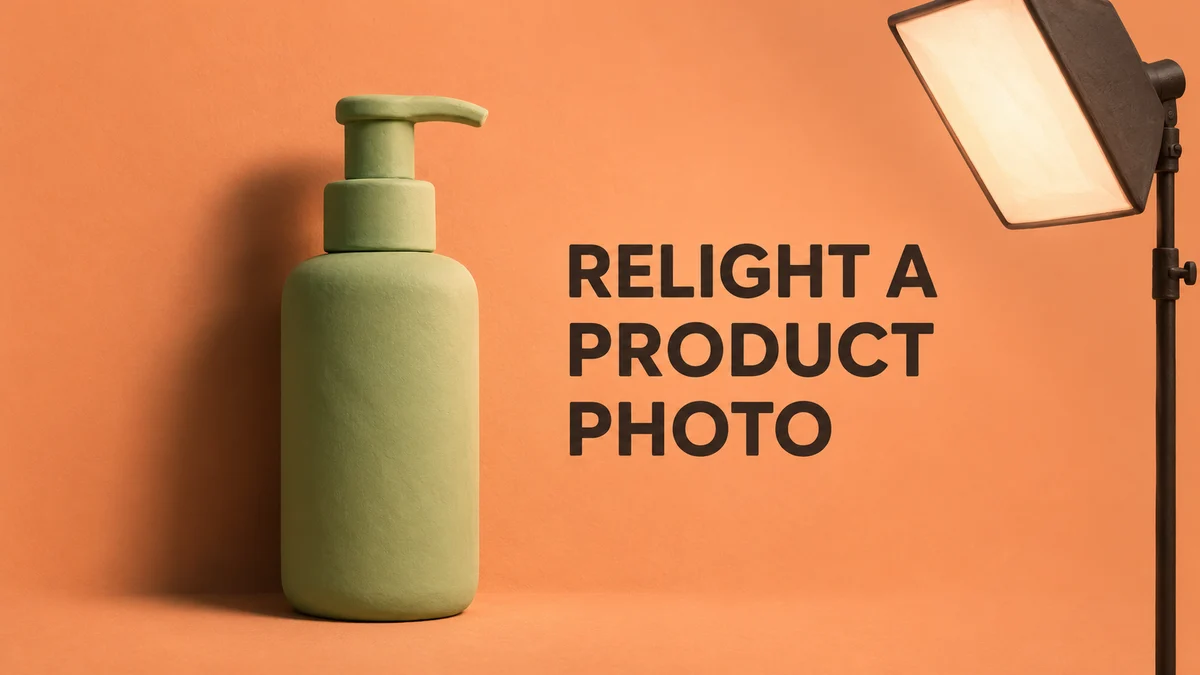
Use a single fill light in Photoshop 28.0, then check the label, edges and contact shadow at full size. Includes a practice image and review checklist.
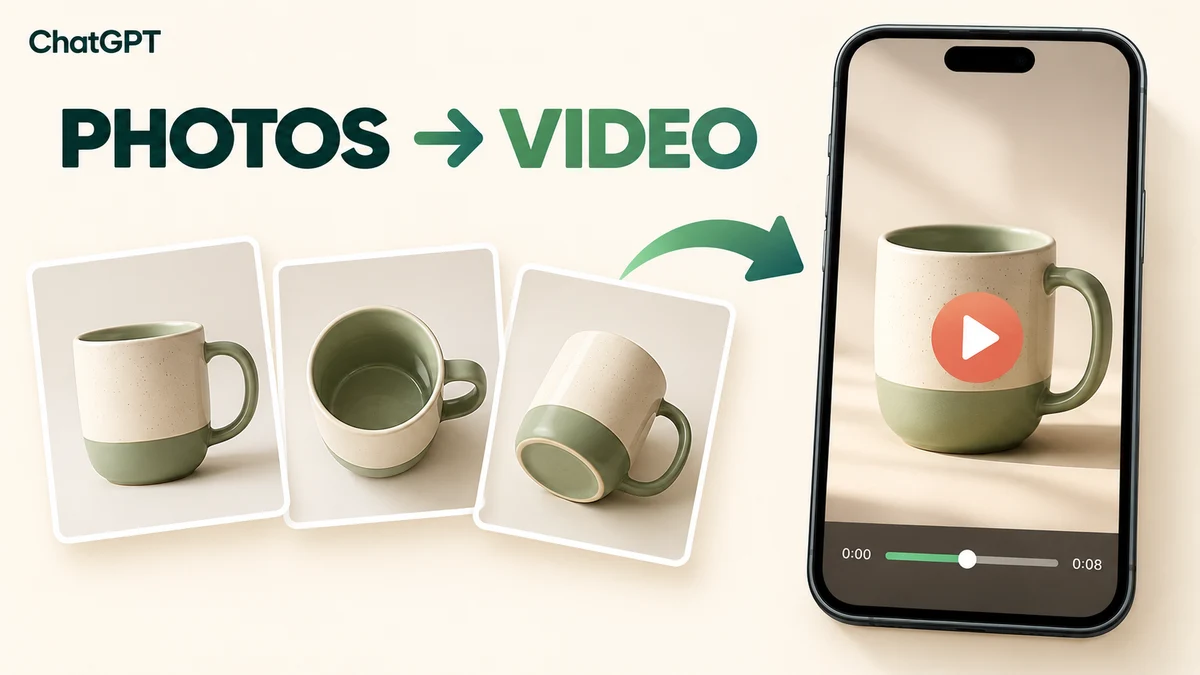
Animate the steam above a mug with one photo and a copyable prompt. We tried regular chat and the Create image menu and checked the actual preview format.
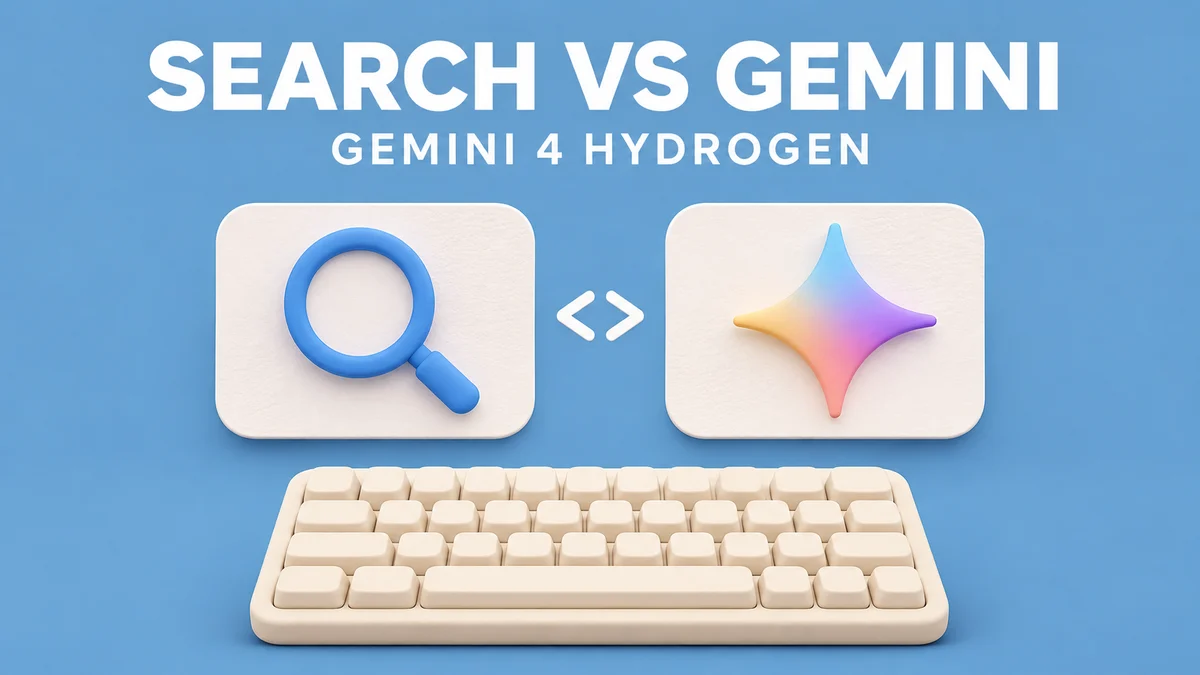
We asked both Google tools the same keyboard question, supplied the same manufacturer links and checked which product variants and prices they could verify.
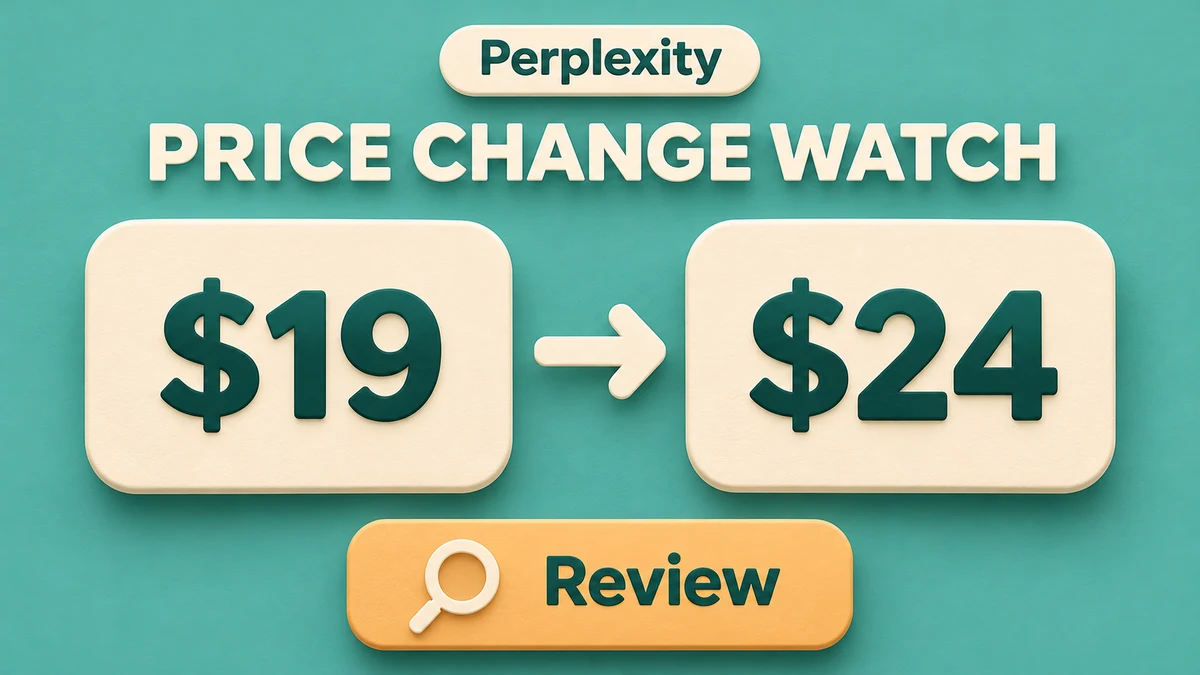
Compare five fictional pricing changes and catch annual-billing traps and failed pages. Includes a real Perplexity response and a reusable monitoring brief.
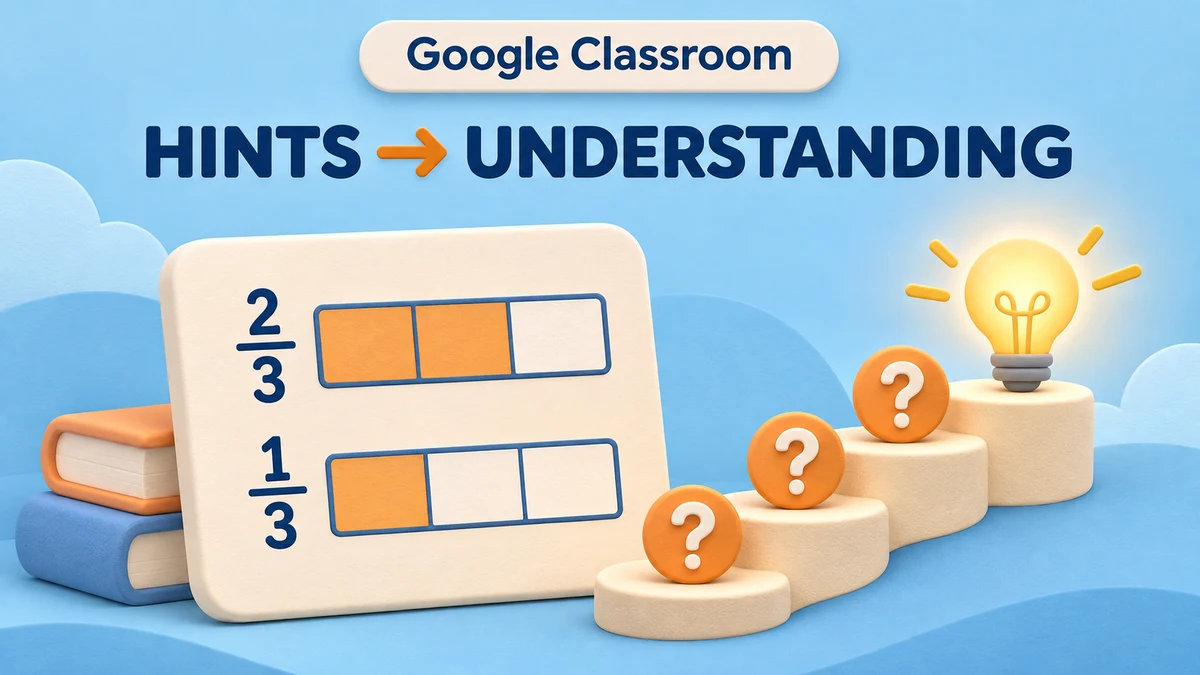
Prepare a student source PDF, attach Guided Learning and test what happens after a wrong answer. Includes a separate teacher key and preview checklist.
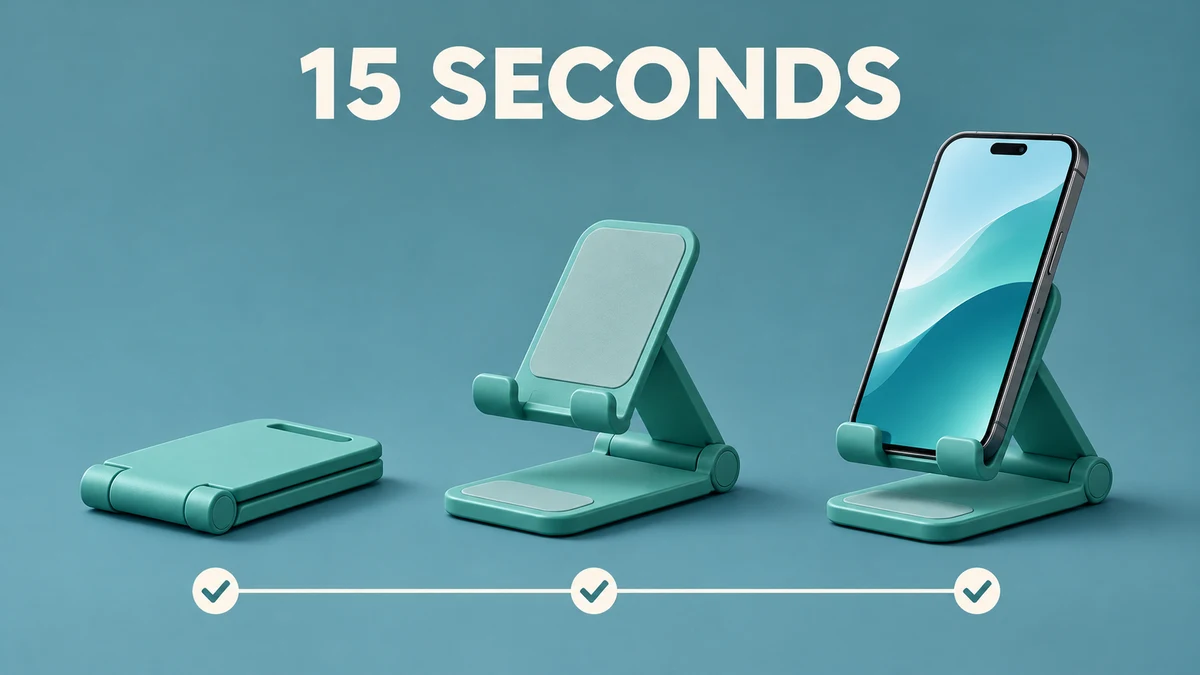
Watch for the hinge. Our folding-stand clip shows why opening a product is easier to demonstrate than adjusting it. Includes the MP4, six stills and the exact prompt.
Give ChatGPT a fictional support role and rehearse three questions. See the follow-up it actually asked when a candidate claimed a checklist improved results.
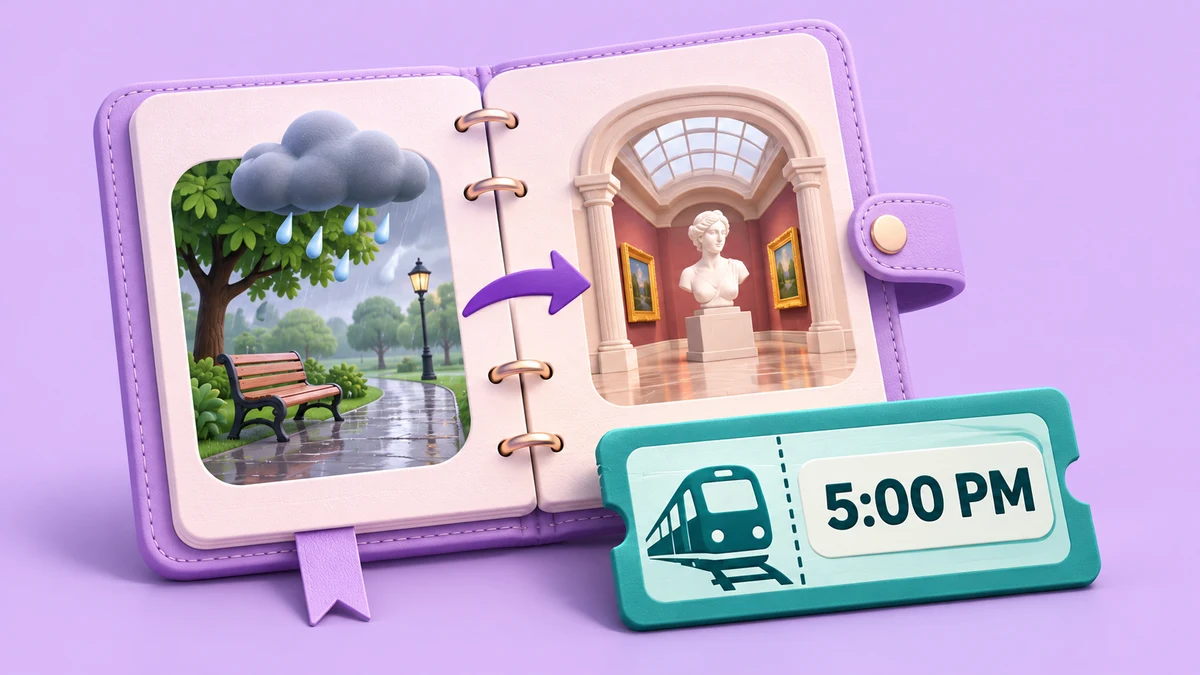
Give Muse one change of plan. Check whether its indoor alternative keeps your $40 budget, travel time and station buffer intact with a worked answer key.
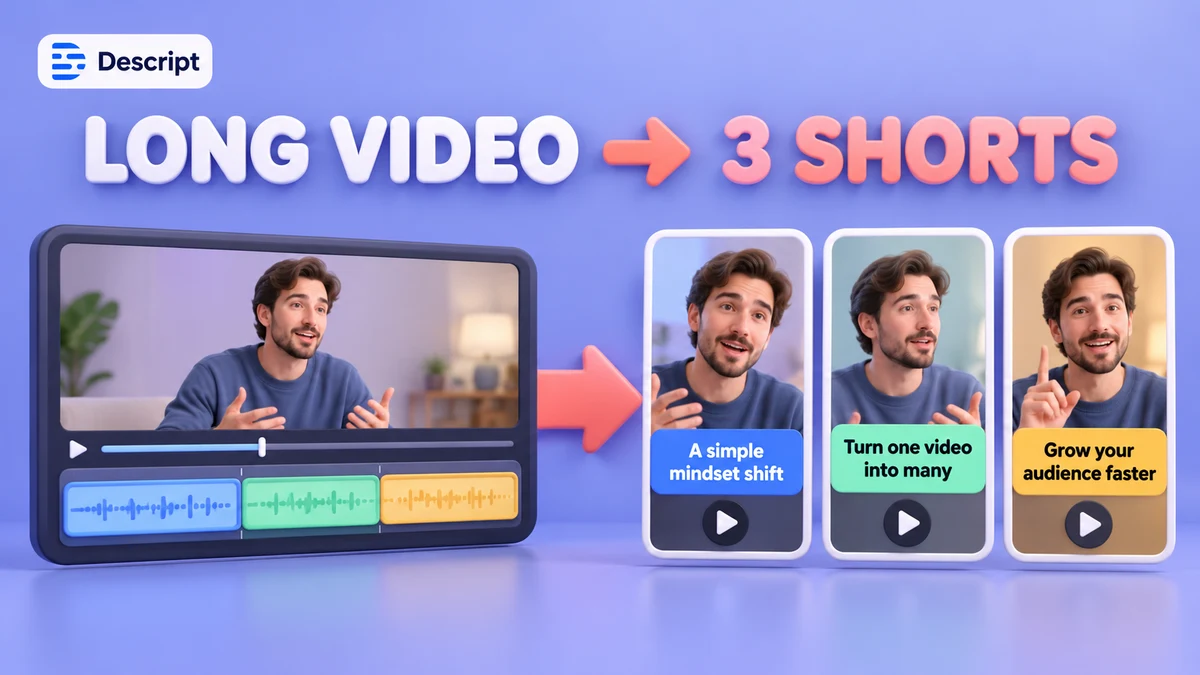
Cut two usable moments from a five-minute interview. Check each caption against the guest’s exact words, then match the show-note chapters to the final edit.
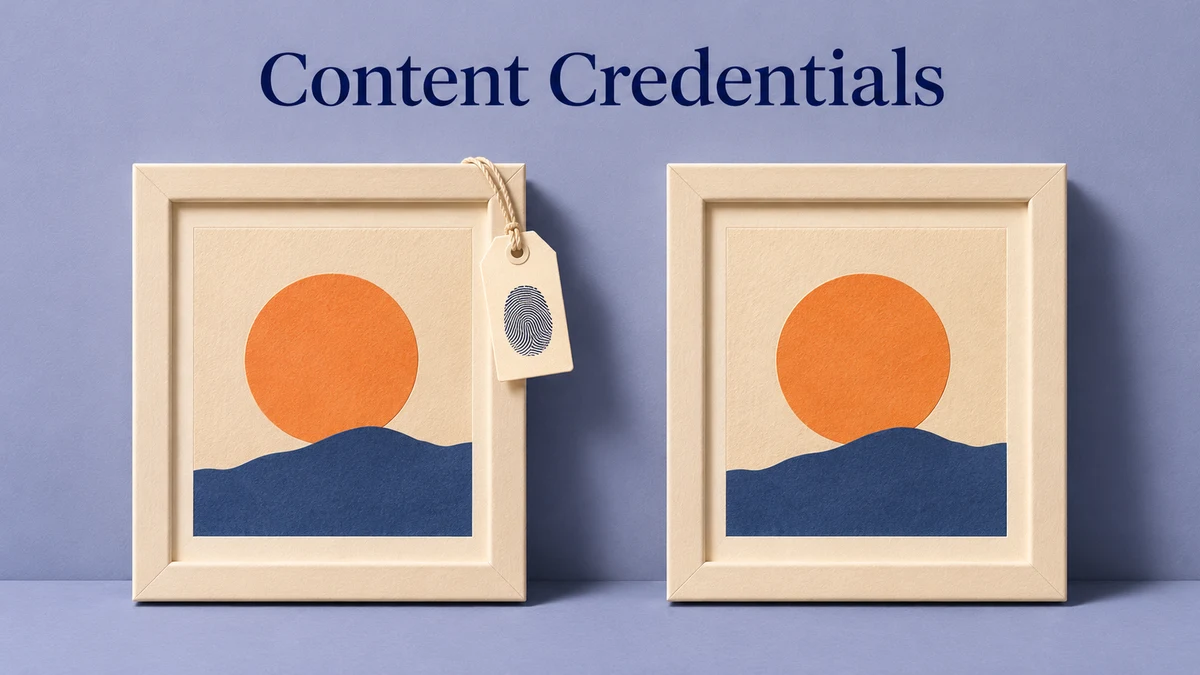
Inspect two copies of the same podcast cover. One carries an AI creation claim. The other has identical pixels and no embedded claim. Learn what each result supports.
Review Plaid access, try a subscription question with fictional charges, and learn how to remove a bank connection and the figures you previously shared.
We changed a tea tin’s backdrop in Google Flow with Omni 1.2 Flash. The lettering survived three spot checks. The tin moved farther across the frame. Compare both clips and six stills.
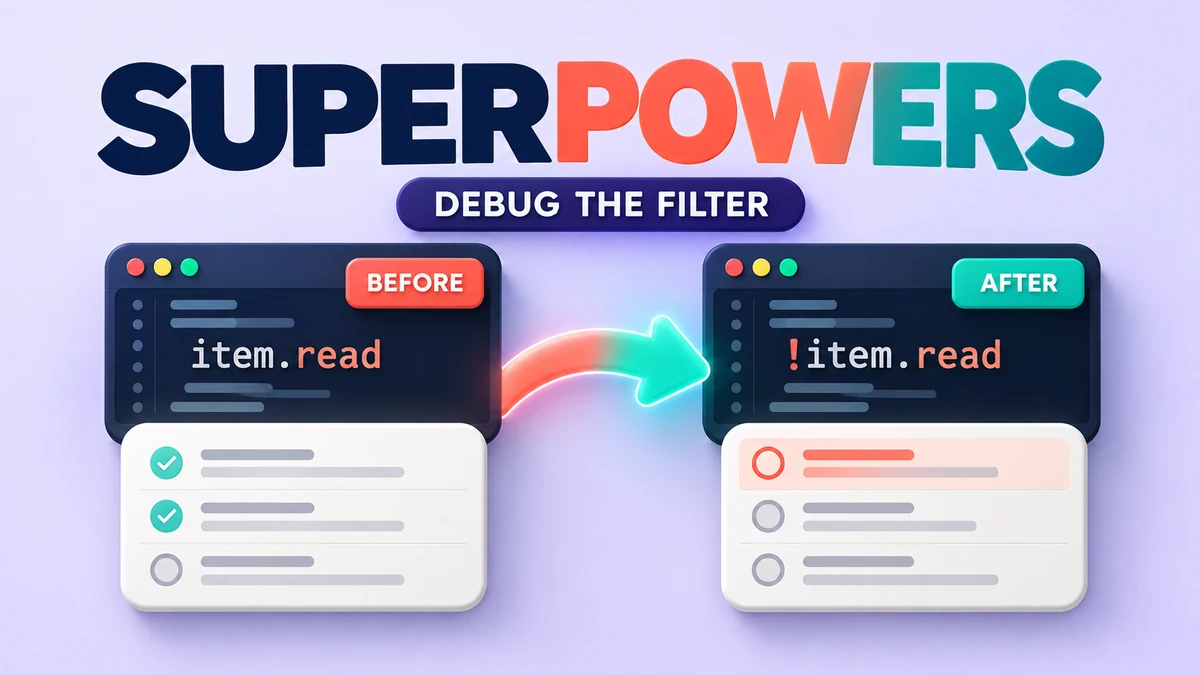
Continue the earlier plan into a runnable local app. Download the files and follow the checks for adding links, read status, filters, deletion and refresh persistence.
Find deliberate deferrals before they disappear into the codebase. Our actual example collected three marked comments and identified one missing revisit condition.
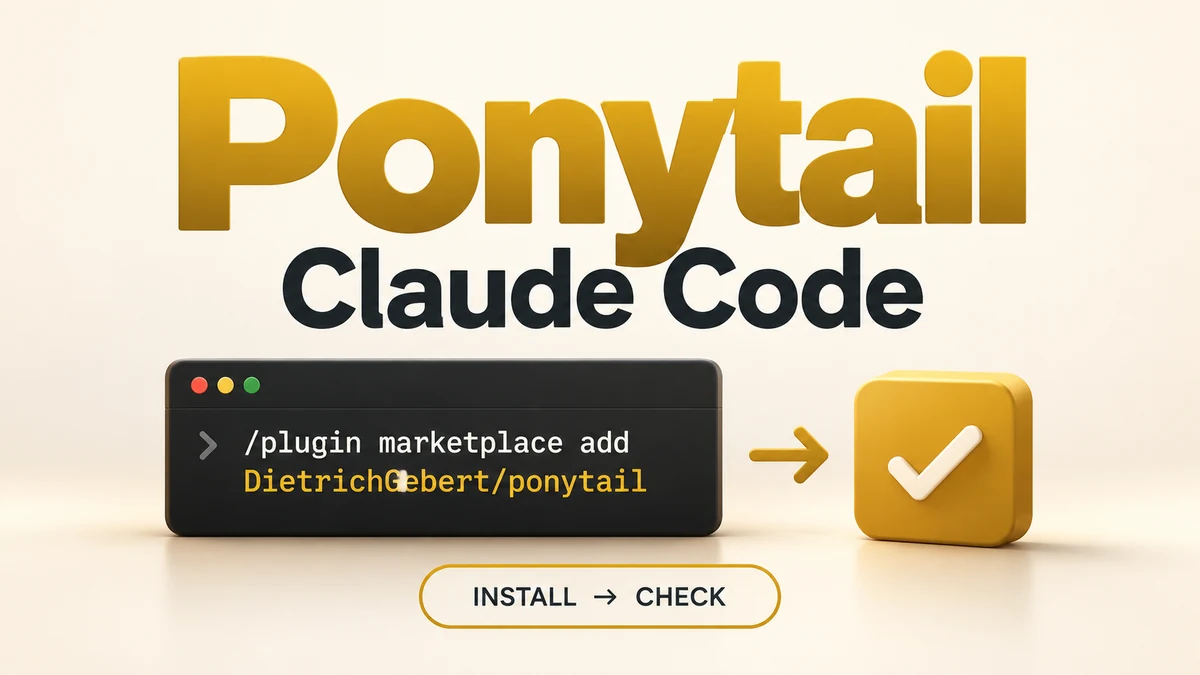
Before another package enters your project, check what you already have. Follow the installation path and see our explicit Ponytail skill call, with hooks and permanent installation kept separate.
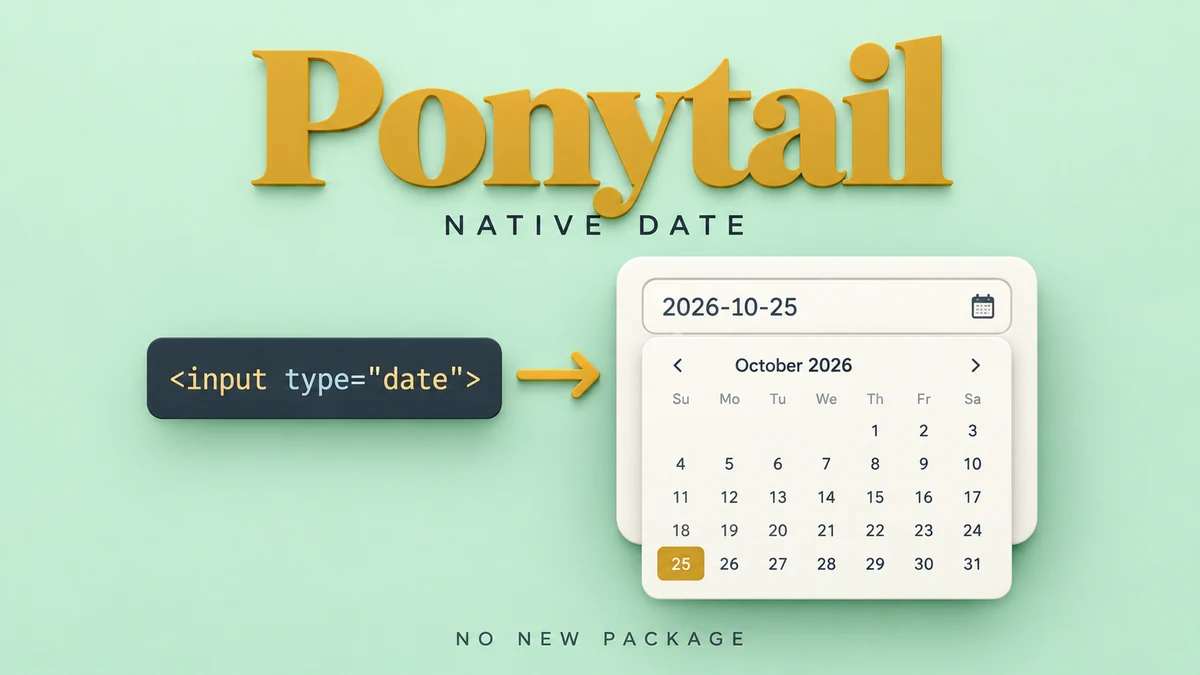
Before adding a calendar package,inspect what the browser already provides. Download the actual one-attribute edit and independently checked date-range,empty-input and keyboard examples.
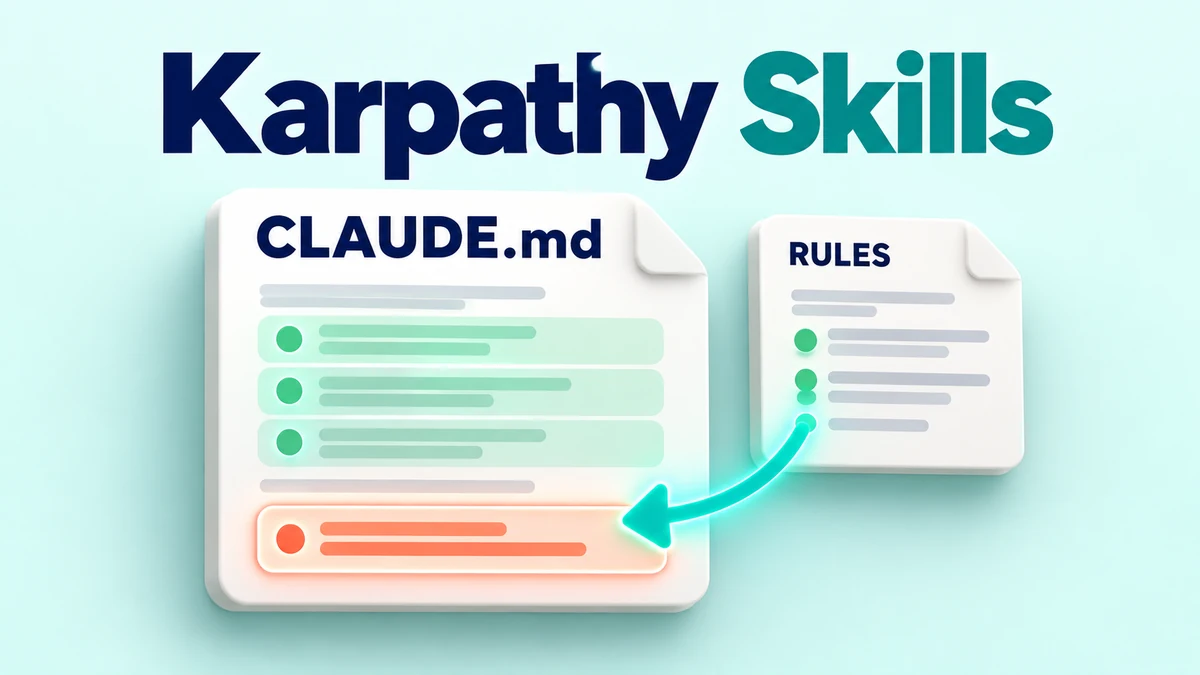
Keep your project rules, import the reviewed guideline separately and check an actual response that retained our original marker and Korean-language rule.
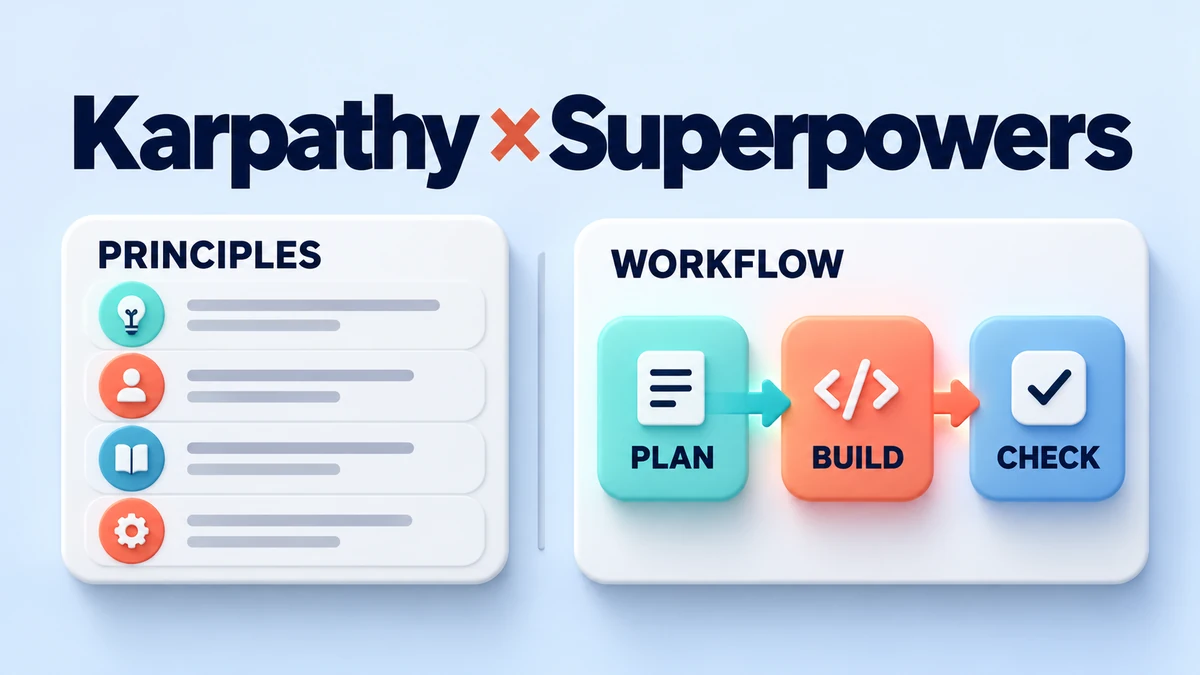
Separate behavior principles from development workflows, and inspect what we actually verified when loading both plugins and calling the Karpathy skill.
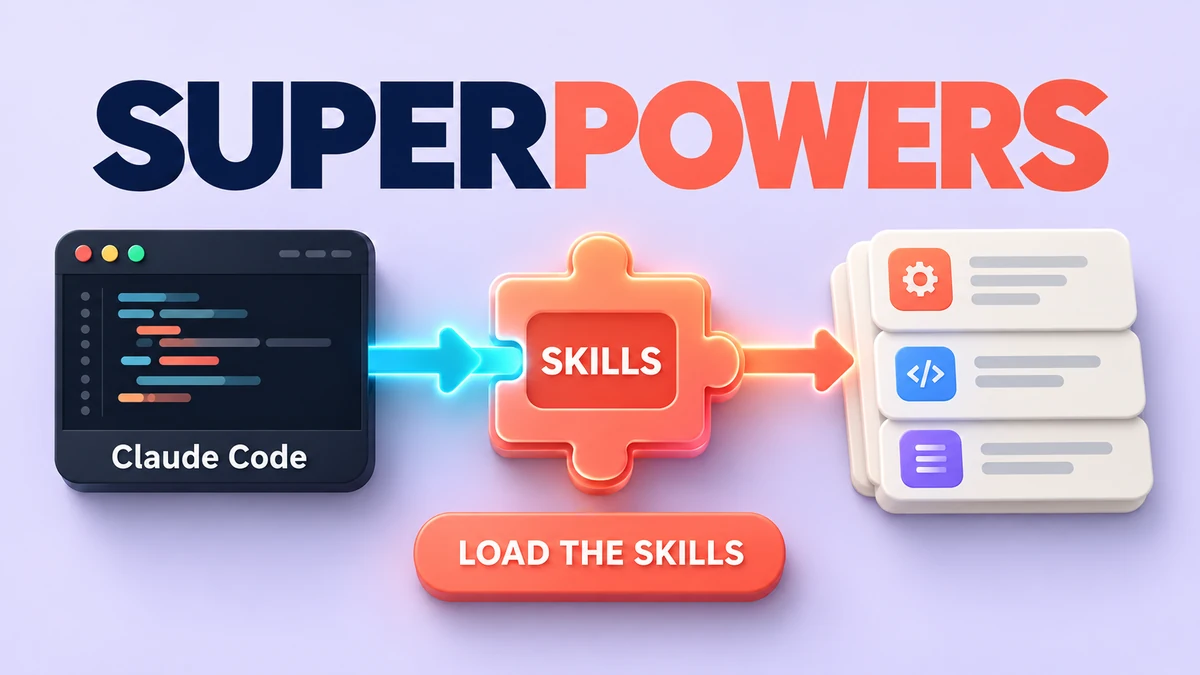
Go beyond an installed badge. We loaded Superpowers7.0.0 in Claude Code, found15 packaged skills and received a first question. The Codex path is documented separately.
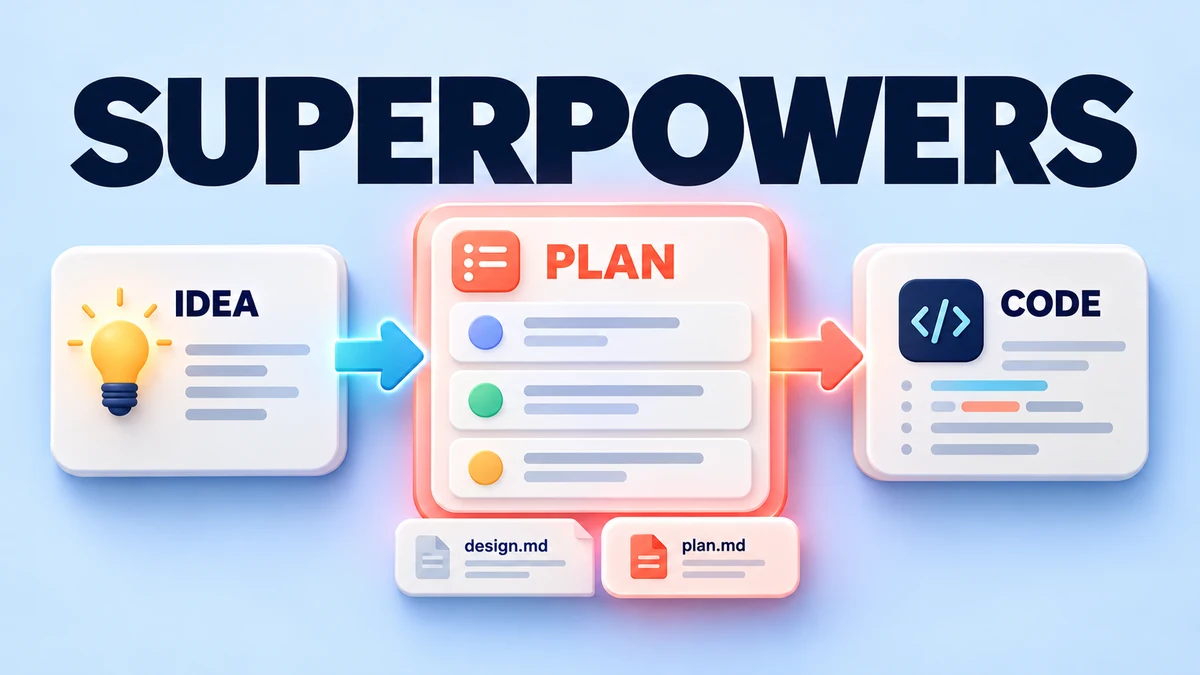
Turn “build an app” into inspectable work. We generated a design and plan from a fictional reading-queue brief, then checked model-added decisions before implementation.
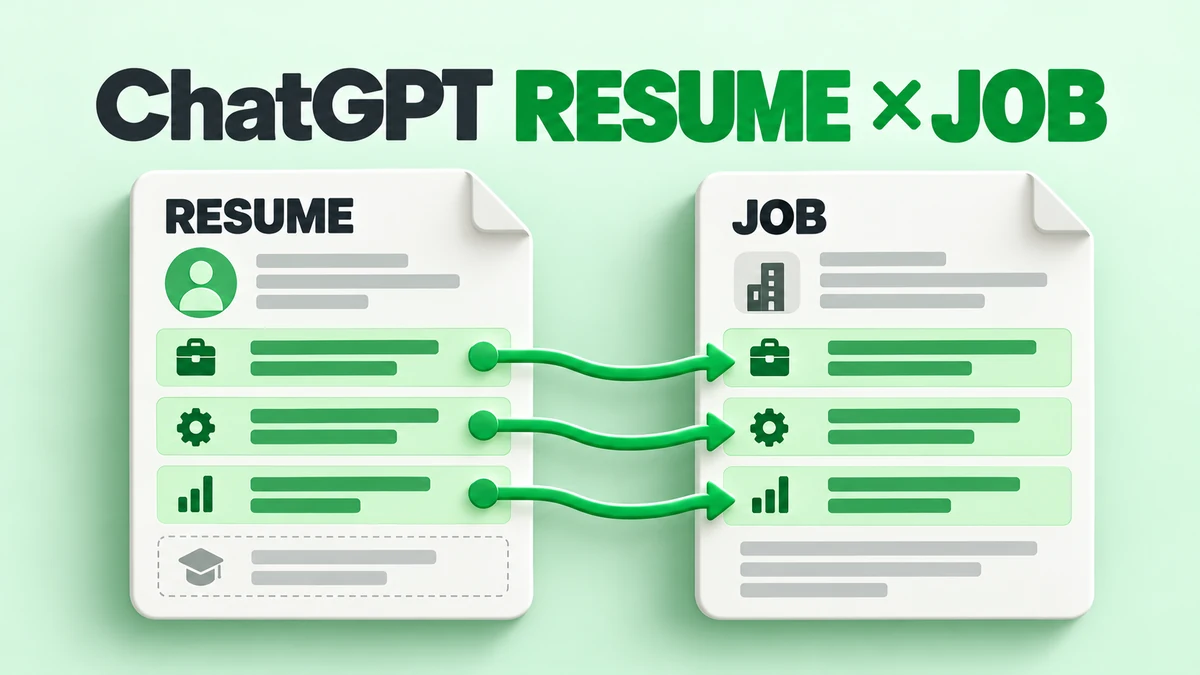
Turn verified experience into relevant US resume or UK CV bullets. Our fictional example produced three supported requirements, one Salesforce gap and drafts whose claims can be traced to the source.
A cleaner background should not require a different face. Compare a fictional source with an actual edit and learn what to preserve around the face, glasses, hair and clothing.
Turn course notes into something you can actually practise. Our English mini-course produced six questions, a separate answer key and a three-session plan checked against the source.
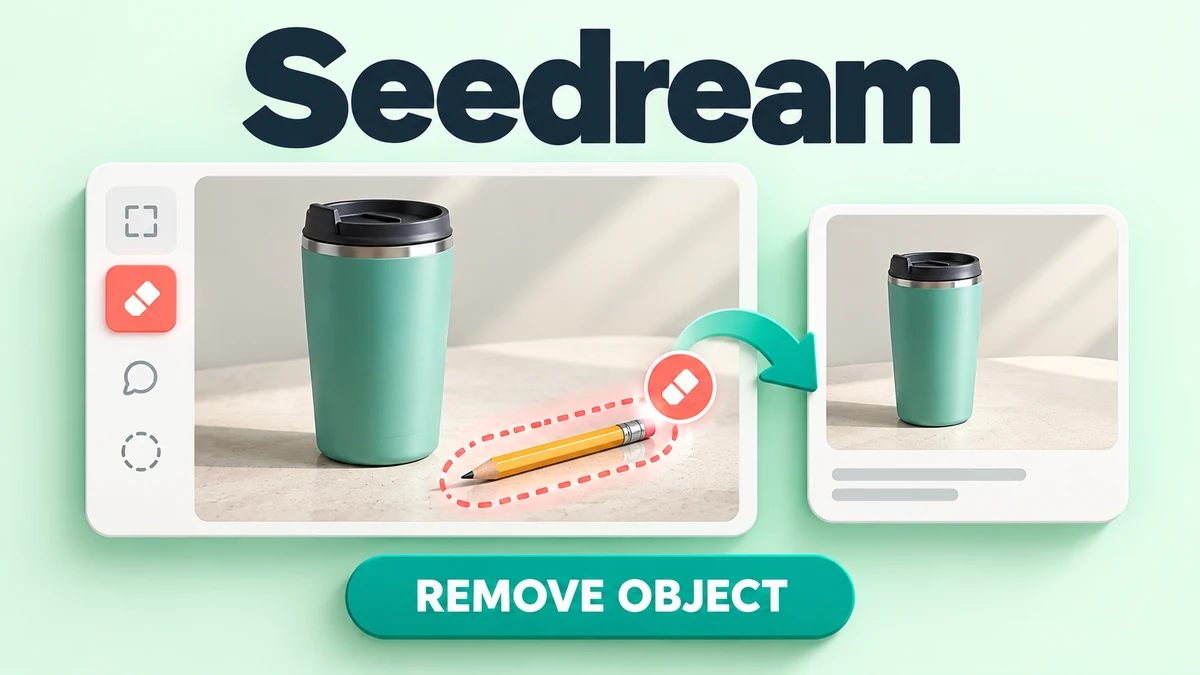
Want to remove a pencil without redesigning the product beside it? Use an original practice image, a focused prompt and a checklist for changes that should not happen.
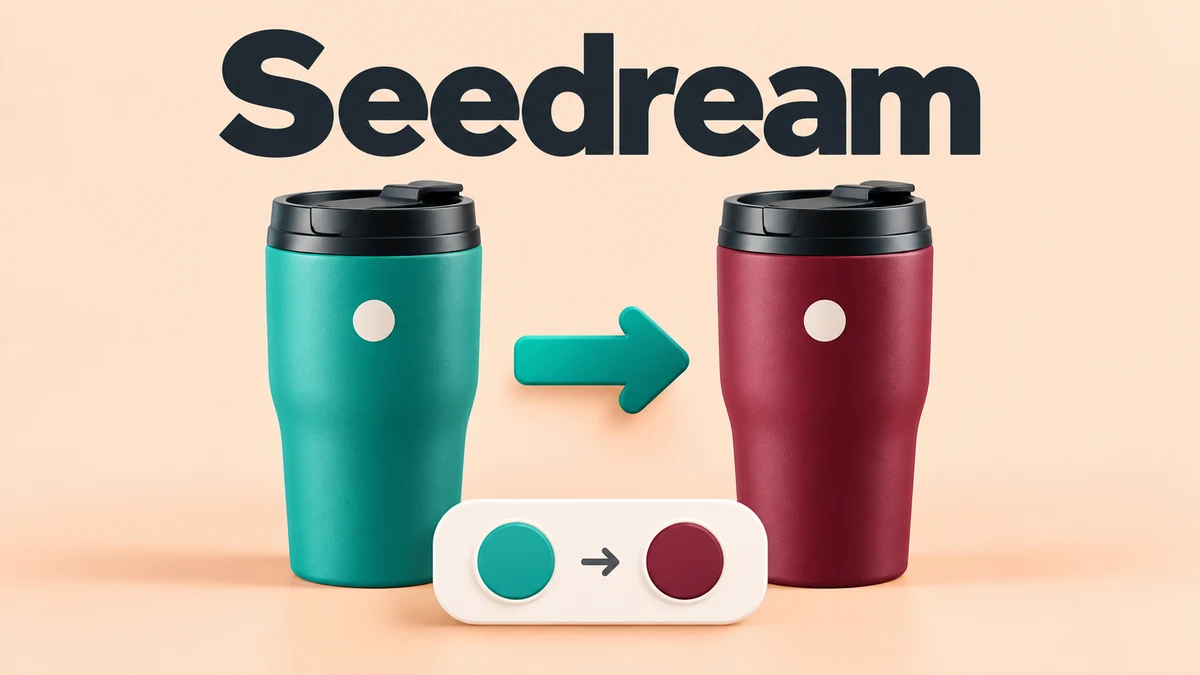
Explore burgundy on a teal tumbler without asking for a new product design. Use a focused recoloring prompt, a preservation checklist and a clear boundary between a concept and a real product photo.
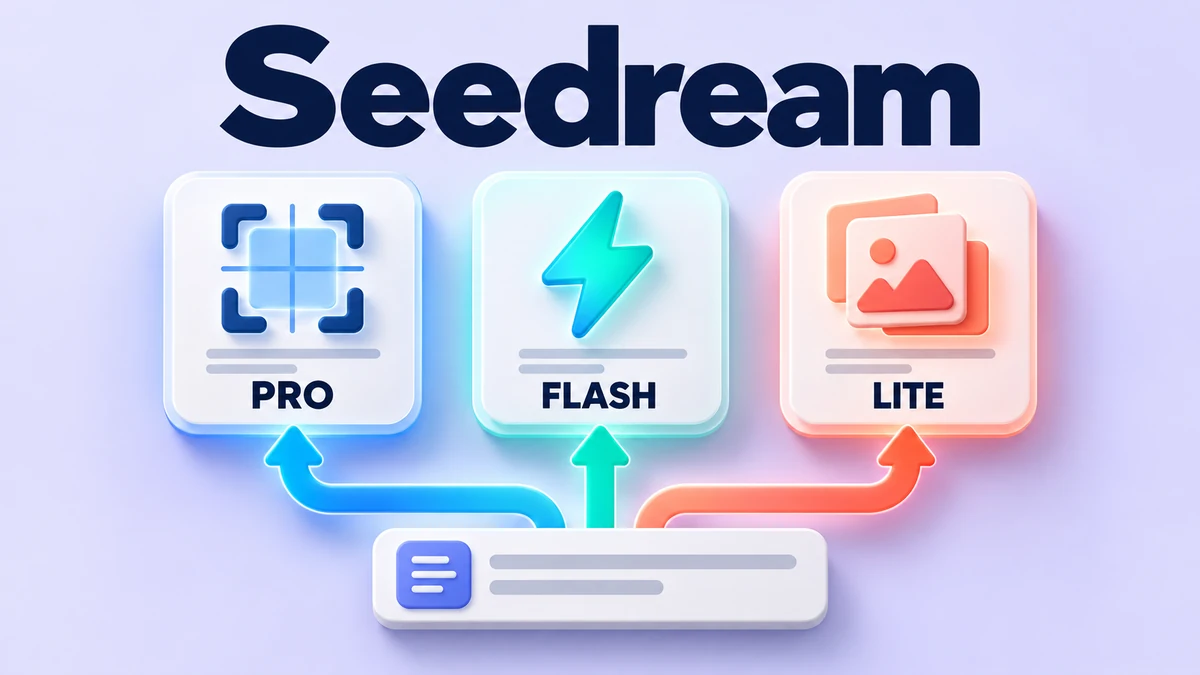
Pro is not the default answer to every task. Compare output resolution, related image sets, spatial edits and layers—and distinguish ModelArk API support from the Lumina interface.
Start with a stationary product and one camera move. Follow the actual attachment and settings path, including the credit gate that stopped this exercise.
Check where product inputs go and when subscription access is required. Use a factual product sheet and review prompts before turning product information into an ad.
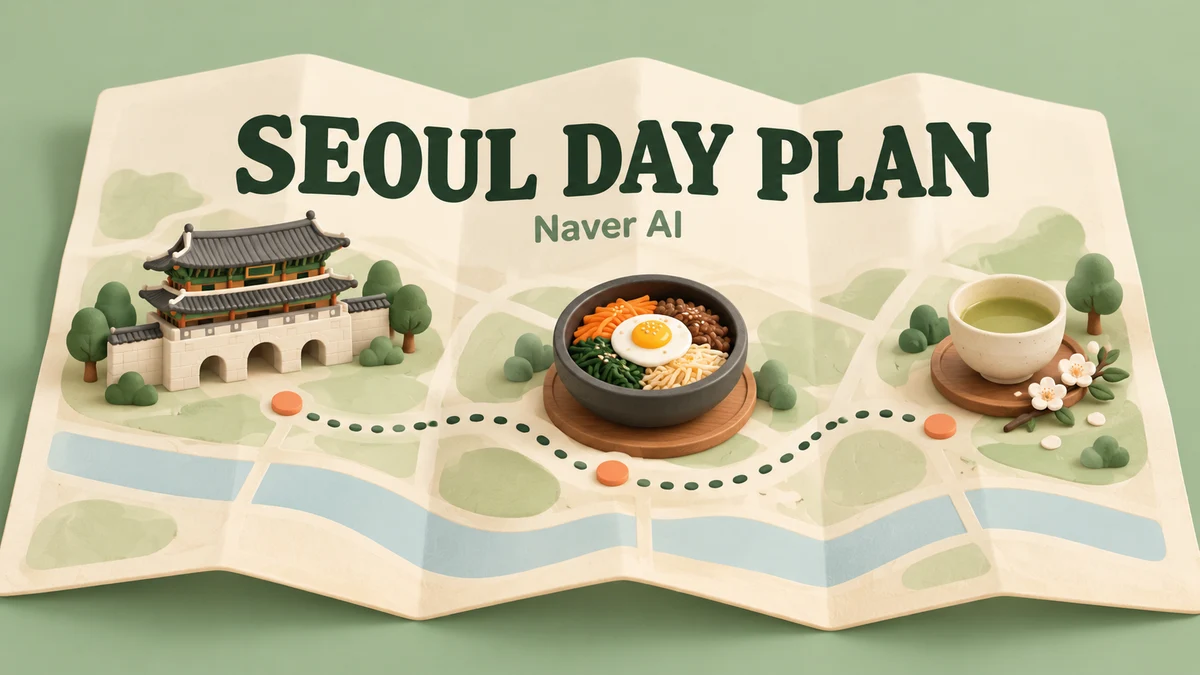
Separate web discovery from direct Naver browsing. An actual museum-hours exercise shows how to check source URLs, weekday conditions and missing verification.
Follow a Notta versus Tactiq research task from source selection and planning to a completed report, then check the conditions that affect your decision.
We ran a web-clipper comparison in standard Search, checked the cited conditions and found an official page the answer did not cover. Includes the Research entry point and observed access limit.
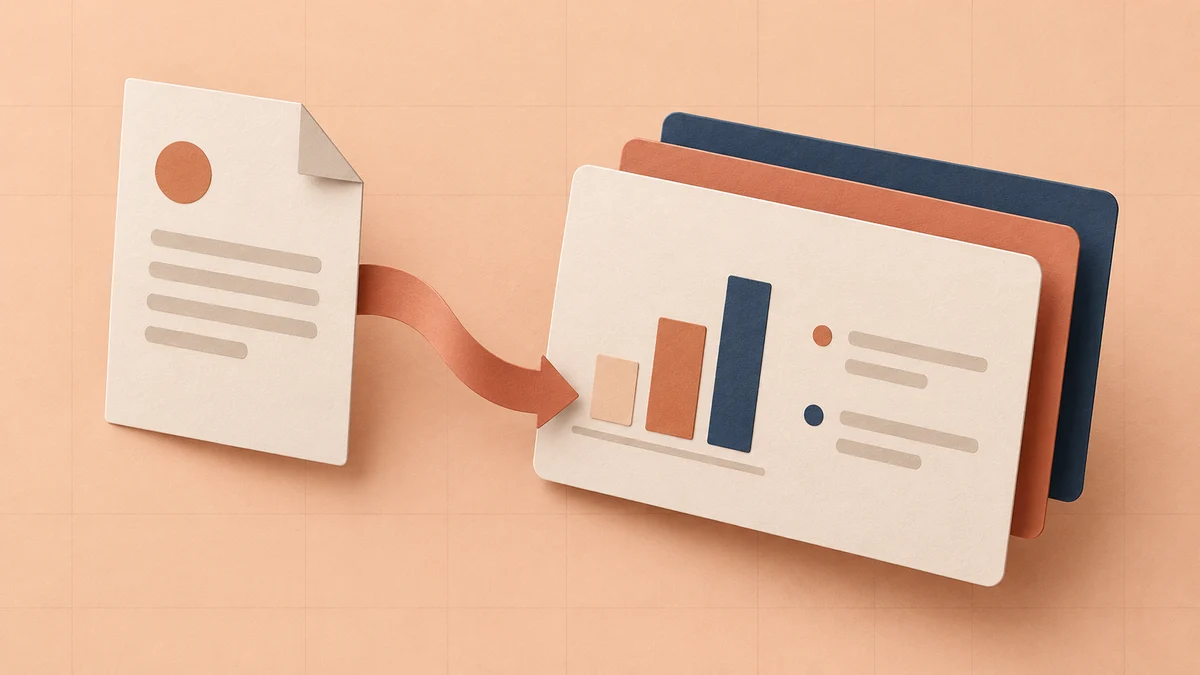
Build a five-slide decision meeting from source facts, reconcile costs, revise one slide and understand export limitations. Includes original bilingual practice files.
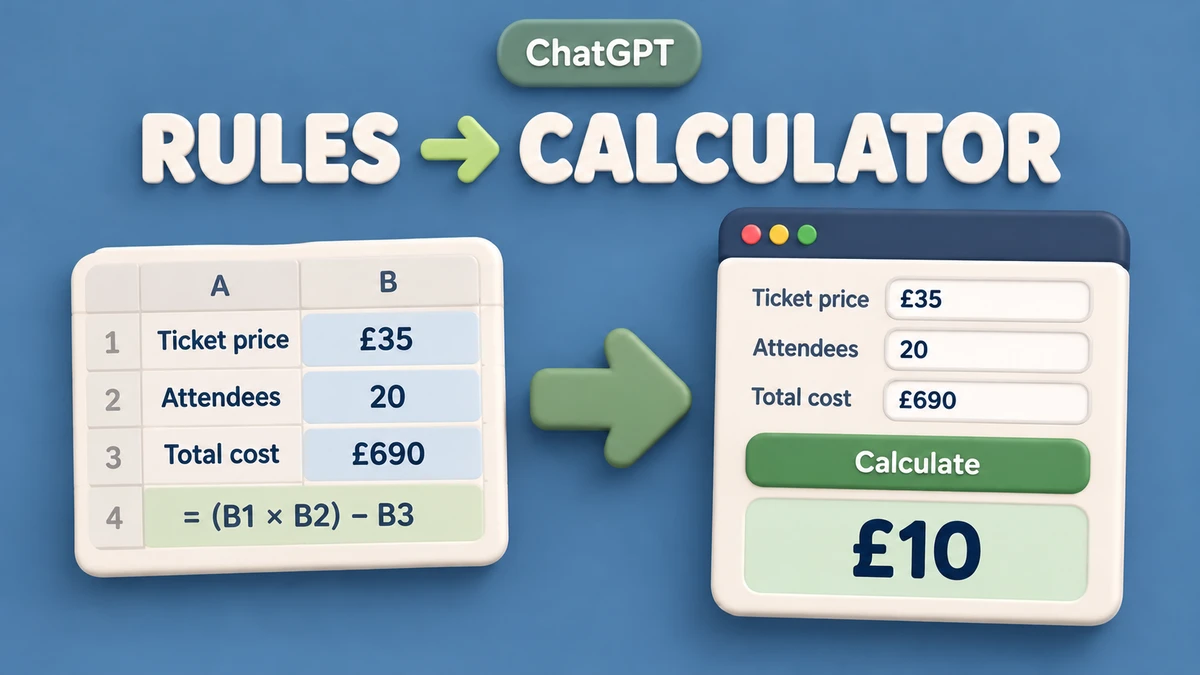
Keep formatting and calculation rules in reusable instructions, then supply this week’s facts. Includes an observed preview, checked arithmetic and the announced skills transition.
We created a private project, saved instructions, uploaded three files and checked a new Search session against the current policy. Follow the actual placement and version checks.
We generated a real three-question HTML quiz, found mistakes, requested revisions and tested the downloaded app. Try the Korean output or adapt the supplied English request.
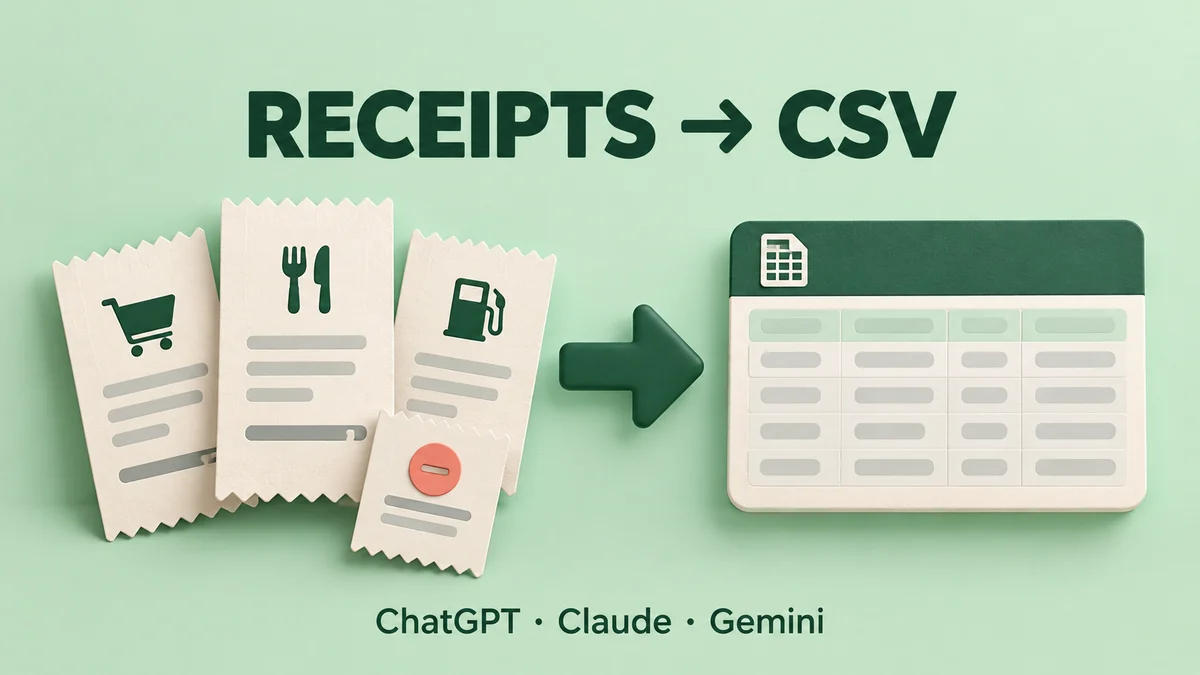
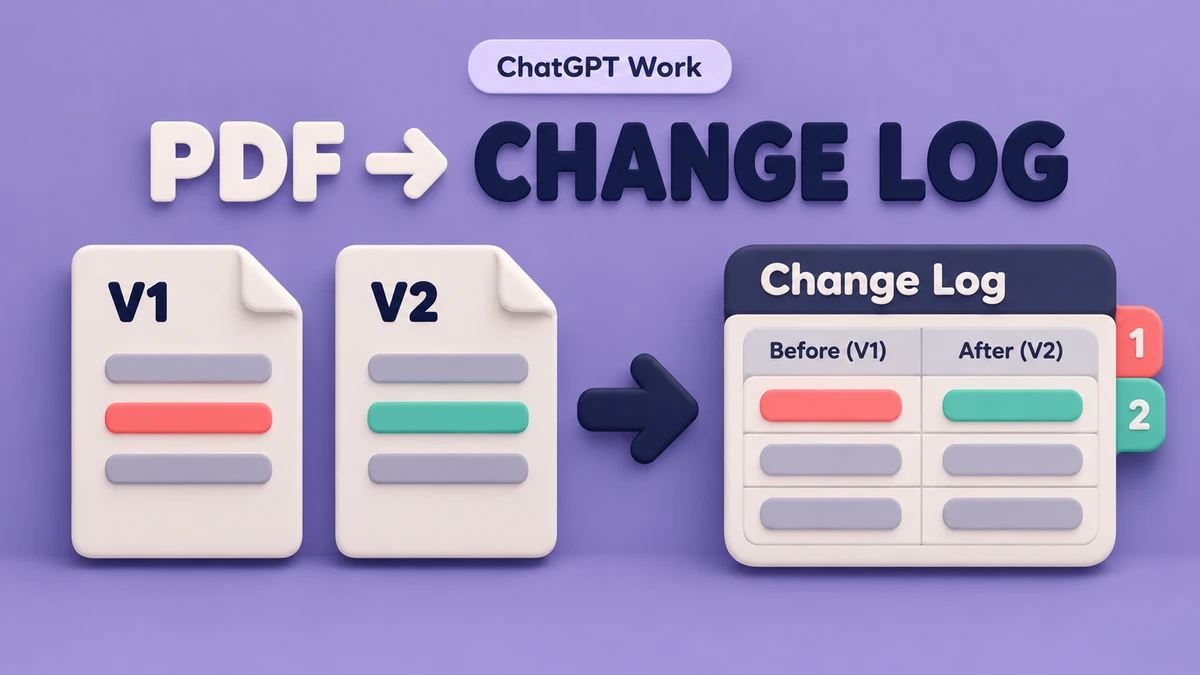
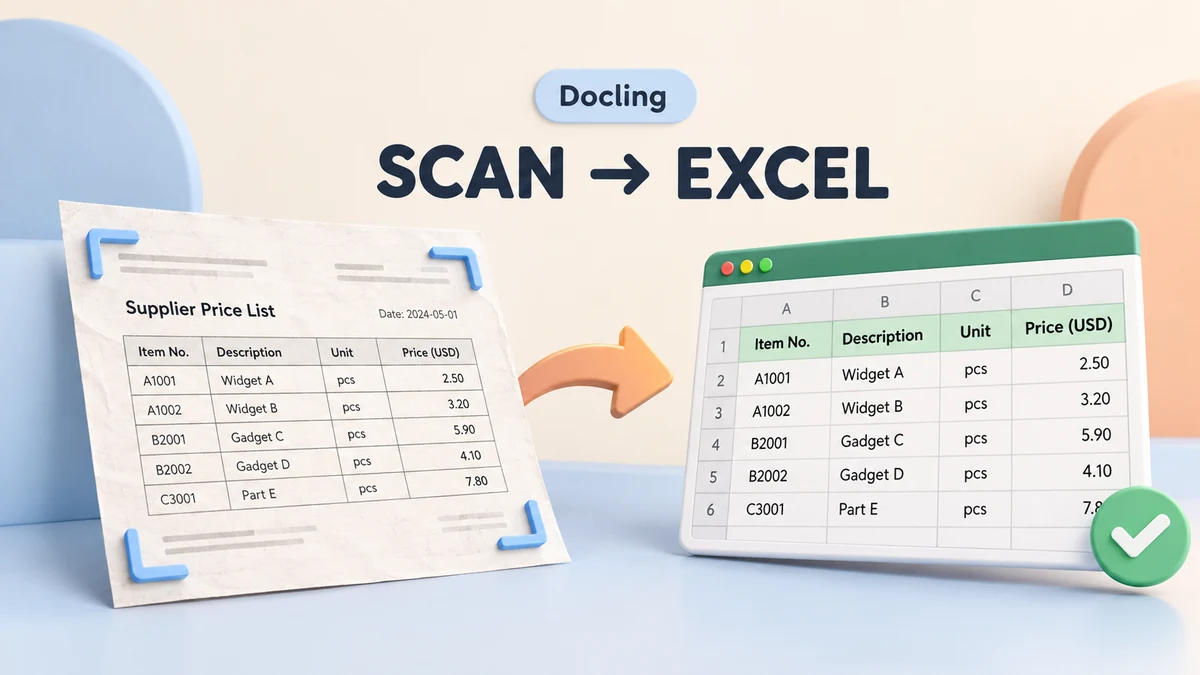
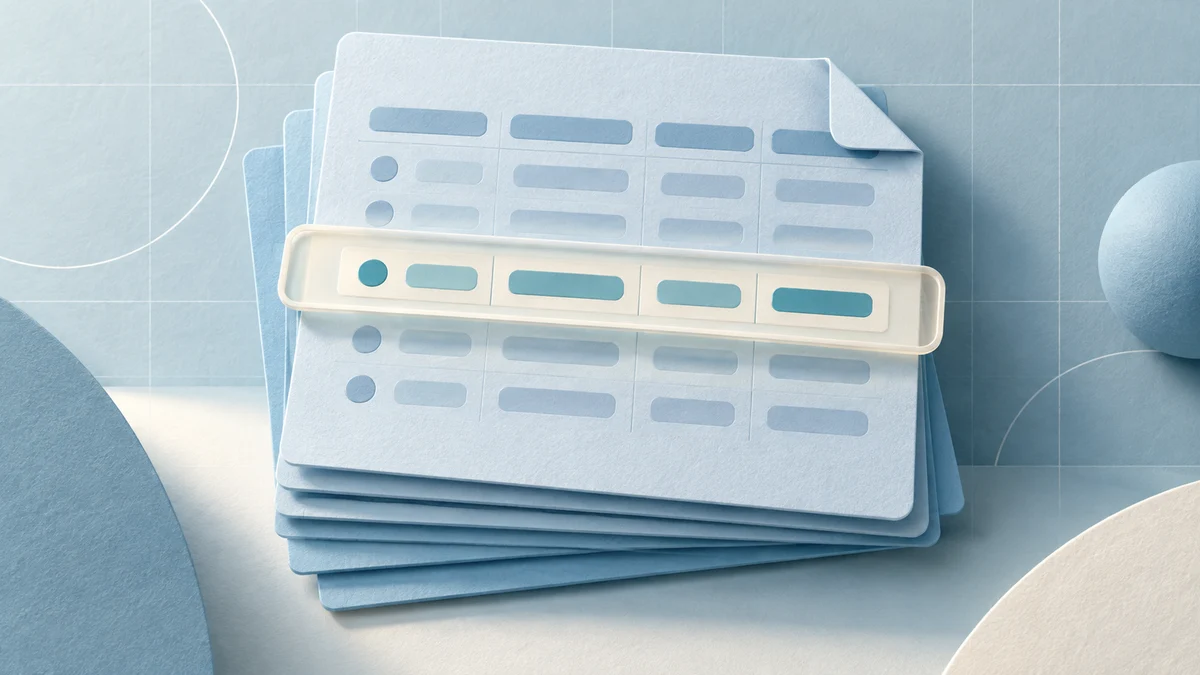
We uploaded two real practice PDFs, checked six extracted fields and verified the arithmetic. Download the files and request evidence by filename, page and field.
Choose an editable format, preserve current event facts, revise only the bring-list and check the version before exporting. Original bilingual exercise included.
A real Standard Search answer displayed six sources. Follow how we separated supported claims, an additional primary-source check and wording that needed a narrower condition.
An urgent subject is not enough. A fictional exercise distinguishes an extended deadline, an optional delivery inquiry and a newsletter, then corrects an overlong reply.
Start with the photos each scene needs. An actual planning exercise produces four editorial scenes and an unfilled estimate before any Artlist generation.
We loaded two local Claude Code skills as one plugin and invoked both against a fictional workshop memo. See what each layer does—and what a successful load does not prove.
The notice is correct, but your page still shows an old date. We used one fictional event to draft in Claude, hand off a bounded request, and update a local page with Claude Code.
A fictional calculator returned KRW 8,902 for two KRW 8,900 sets. We had Claude Code edit one calculation, then checked tests and the actual browser result.
Place SKILL.md in the right folder, invoke meeting-pack and inspect the saved file. We also revised a rule after the first output added an unsupported announcement promise.
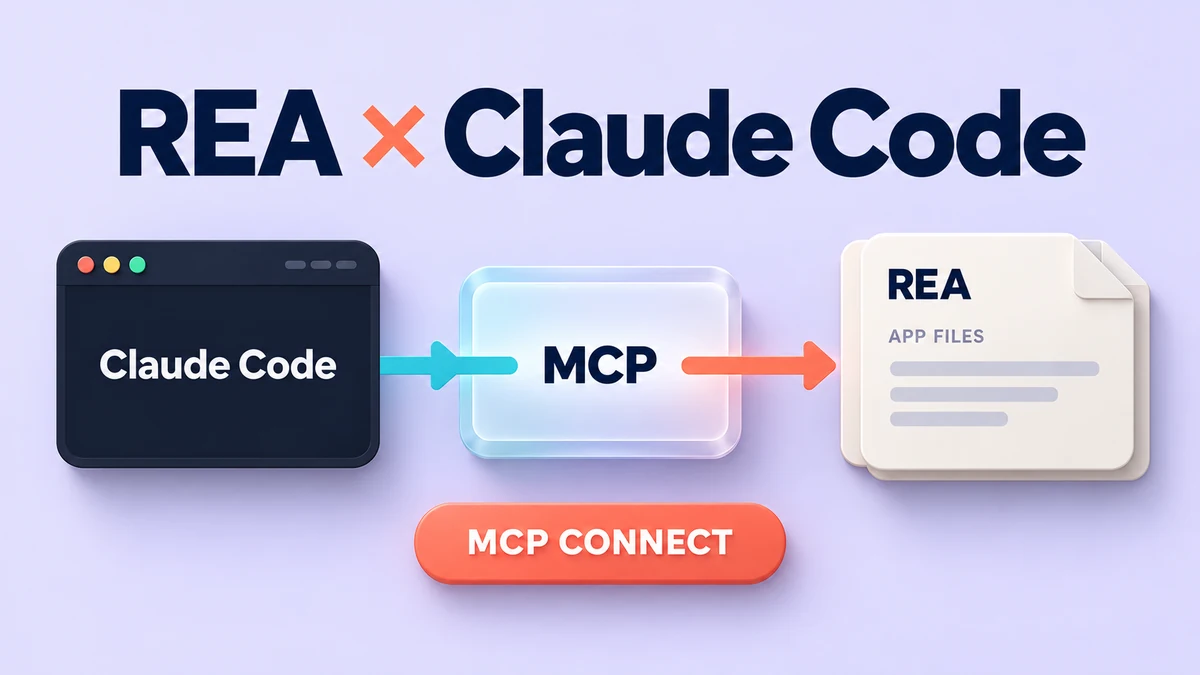
We connected a real Filesystem server, read a test marker through Claude Code, and distinguished missing-file, directory-boundary and tool-approval errors.
Where should the file go, and what changes when a nested override appears? A small product-writing exercise shows rule differences and the limits of an agent’s self-report.
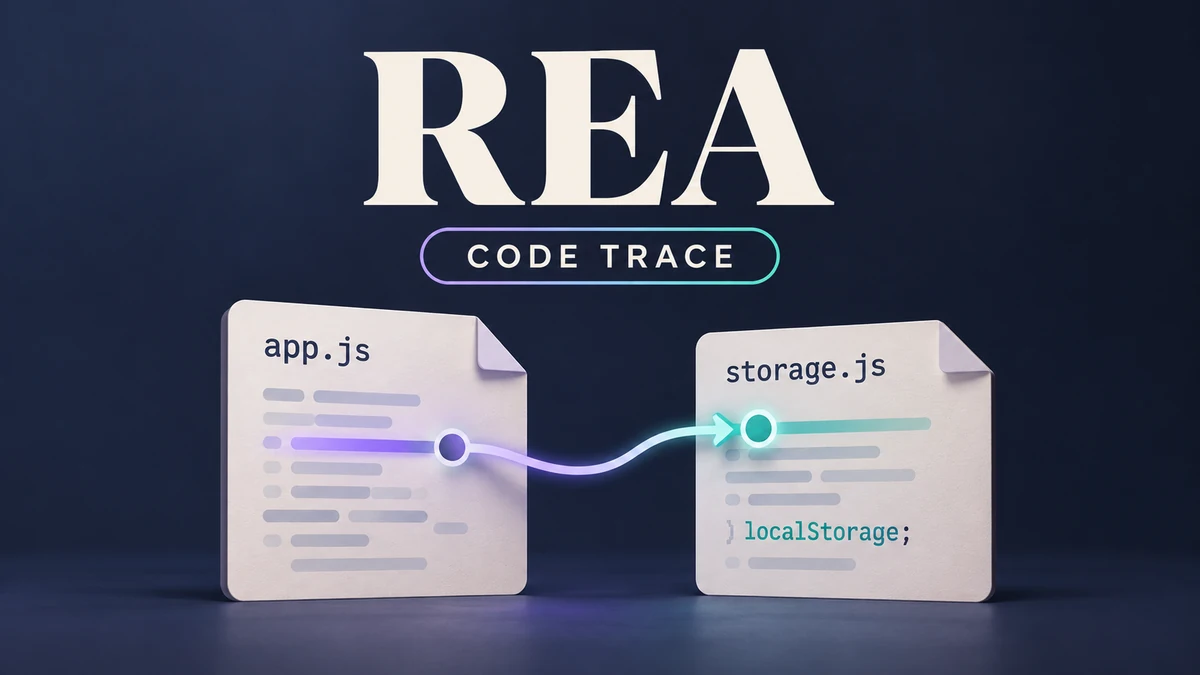
A saved graph can still point to an old function after the source changes. We reproduced that mismatch and built a four-note workflow separating evidence, decisions and unknowns.
We tested current and outdated café files, encountered a source-access failure in a new Work chat, and recovered by attaching the latest plan directly.
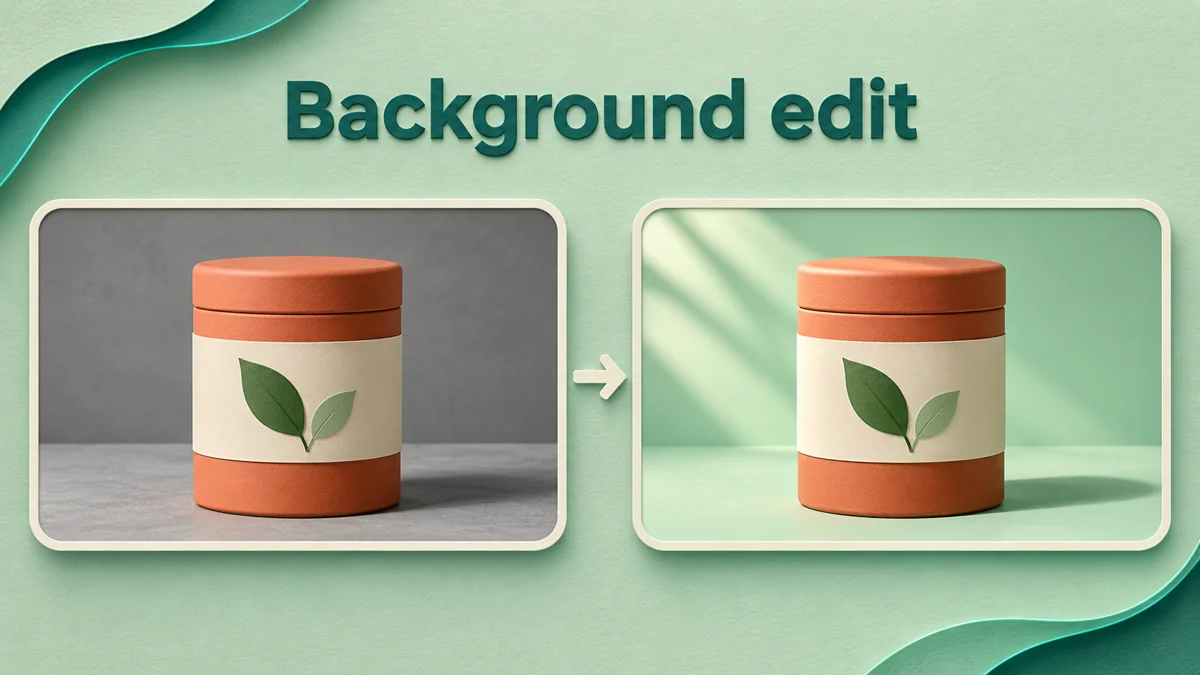
We generated a fictional café image and asked for a background-only color change. Compare both actual files, including a cloth that disappeared during editing.
Specify which sources and changes matter before assigning ongoing work. Rehearse one change assessment, then follow documented setup, activity and stopping controls.