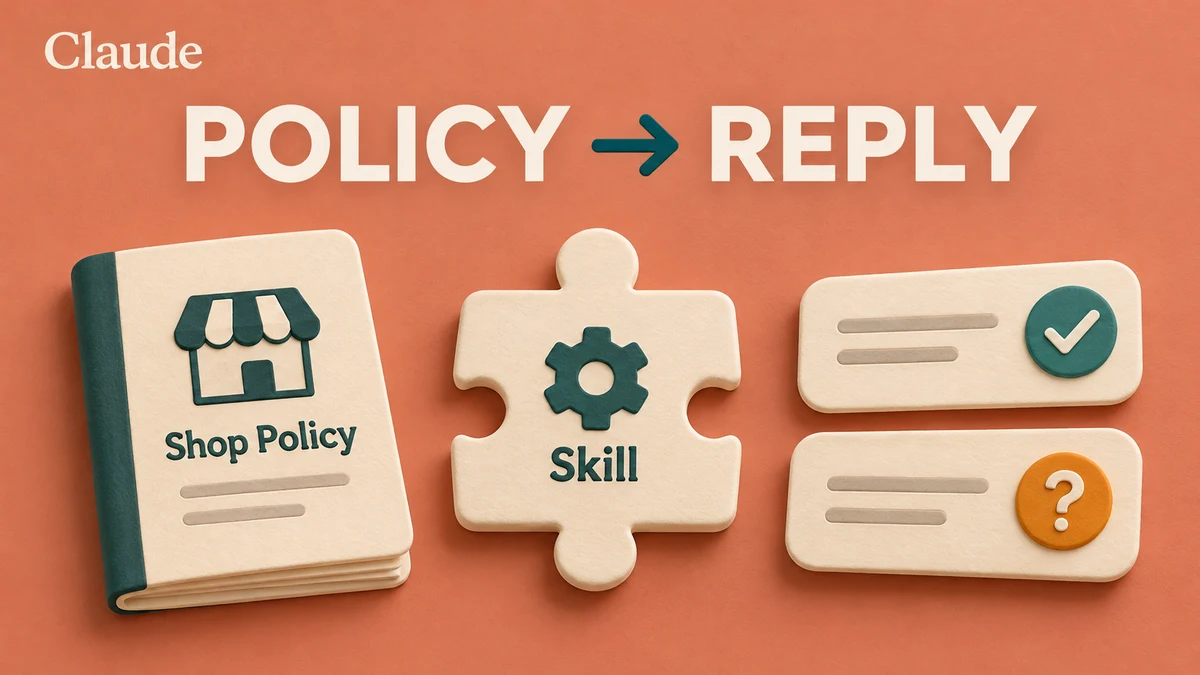
Create a Claude support plugin, then test the exceptions before using its replies
Build an instruction-only Claude plugin for fictional return enquiries, test six boundary cases and update the policy without giving it mail or CRM access.
Understand skills, plugins and MCP, then find a workflow for your environment and task. Articles distinguish installation, actual tool calls and result verification.
Environment identifies the assistants discussed in a guide. Check each article for actual connection requirements and support.
58 guides
Build an instruction-only Claude plugin for fictional return enquiries, test six boundary cases and update the policy without giving it mail or CRM access.
Copilot listed our MCP configuration but never called the tool. Follow a three-stage check, inspect the failure honestly and test a fictional server separately.
Turn one fictional sales call into an email and an internal action table. Keep the buyer’s budget, proposed launch and unassigned work distinct from agreed commitments.
Save proposal instructions with a reference file, then run two fictional customers in fresh chats. Check the budget, date and scope before treating the result as a proposal.
Check the marketplace, operating system, version and update time. Three worked cases show when to investigate and what to hand to your security team.
Read three project pages, resolve conflicting status labels and save a reviewed report without inventing owners or deadlines.
Preserve prompts, graph files and dependencies before 17 November. Follow an actual archive and see what a replacement still needs.
Run five cases before and after. Check the correct classifications and the action claims that still needed review.
Repair a broken reference and a valid-looking wrong total. Download the actual workbook and test £561 → £612 → £561.
Same working page, two isolated skill runs. Compare actual screens, design decisions and preserved behaviour before choosing a workflow.
Use Taste Skill to turn two references into design rules and a working portfolio. Includes case studies, mobile checks and the complete practice kit.
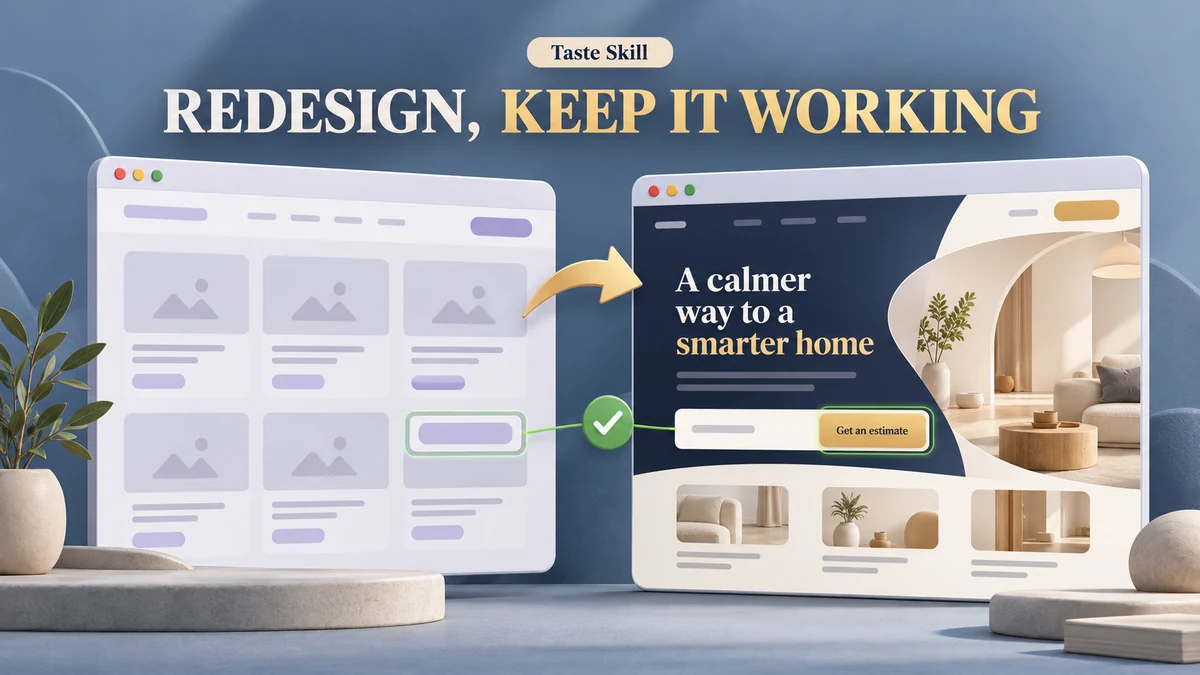
Use Taste Skill on a working service page. Compare the screens, preserve the calculator and form, and download both versions.
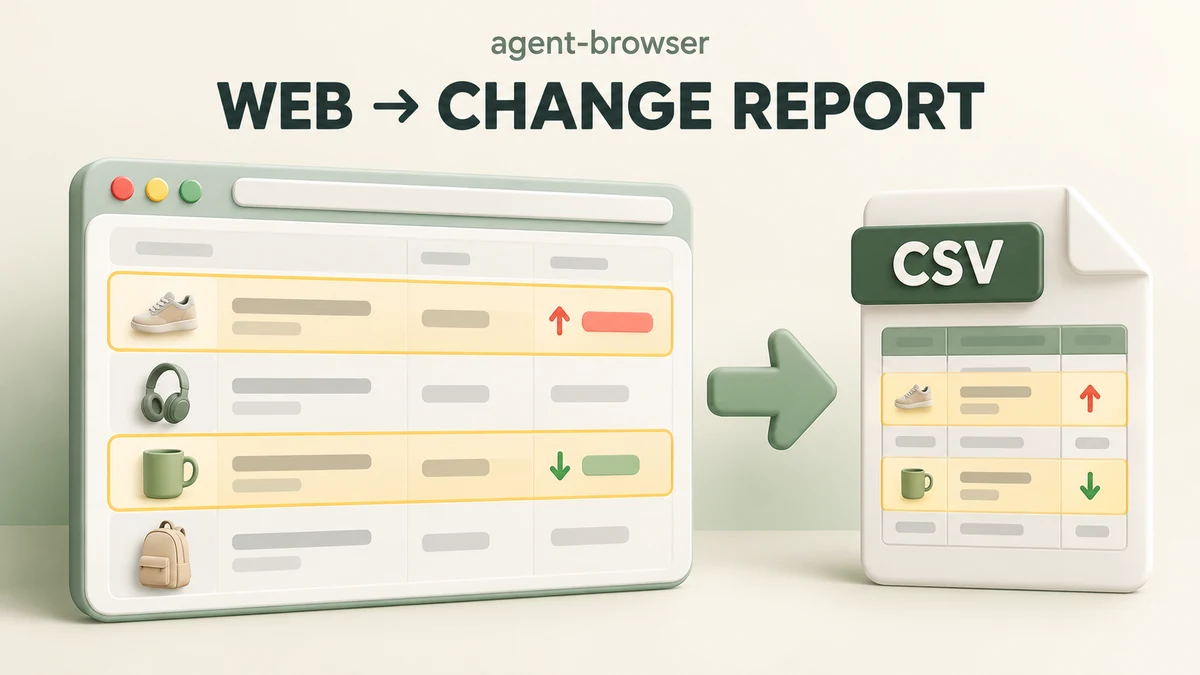
Read both catalogue pages, match SKUs and export four verified changes. Includes before/after data and a runnable local kit.
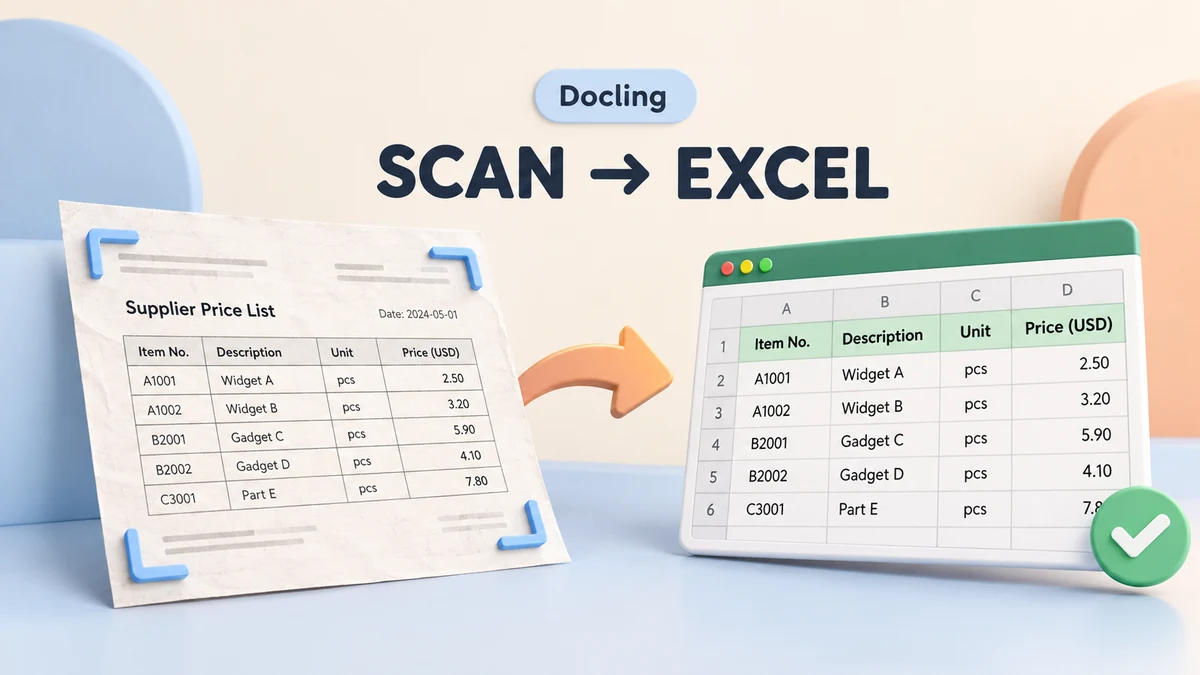
Extract 12 rows with Docling OCR, verify pack prices and calculate unit costs. Includes the PDF, raw tables, CSV/XLSX and MCP check.
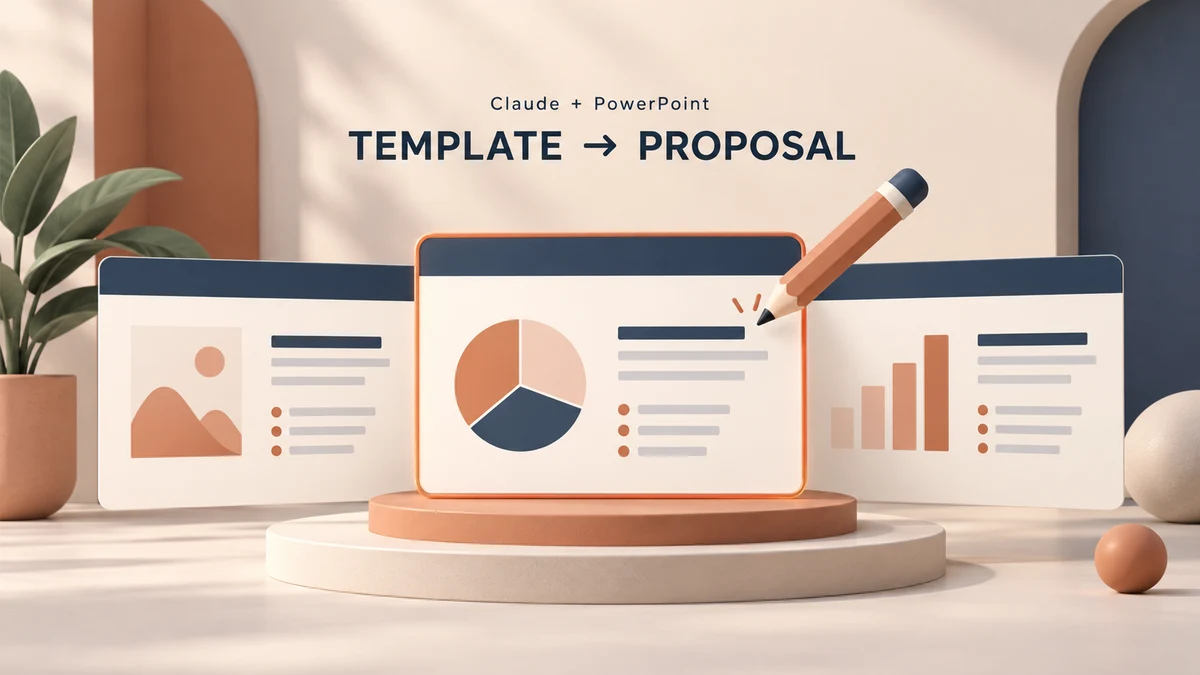
Fill a six-slide template, then revise just one body object with a skill. Download the real native PPTX results and prompts.
Plan the handoff, wire the form and test a local example. Native account limits and completed checks are clearly separated.
Change the product data and render again. Download the editable project, input checks and two actual eight-second MP4 examples.
Turn a task ledger into a report and dashboard. Catch a weak completion claim before repeating or scheduling the workflow.
Find the image and script bottlenecks, compare six lab runs and recheck the useful action. Includes the original before/after website.
Inspect both actual repairs and seven independent checks. Choose a process for your task without a made-up winner.
Check Claude Code and Codex separately, then review a known defect. Includes tested commands and a tiny practice target.
Reproduce lost data, reject invalid input and check reload persistence. Includes a runnable before/after request queue.
Inspect access and input boundaries, then repeat 14 local HTTP checks. Includes original fixtures and the observed results.
Keep six rules intact and move a checklist into a skill. Follow before/after files and real loading probes.
Check usage and context, reduce repeated logs and inspect real token fields before adding a compression or writing-style skill.
Try the pinned voice skill in one project. Check loading, off status and a fresh session after removal.
Compare actual session tokens and checked JavaScript outputs. Download every response, including the extra skill call.
Test meetings, deadlines and a last-minute call with a reusable assistant. Compare both sample plans.
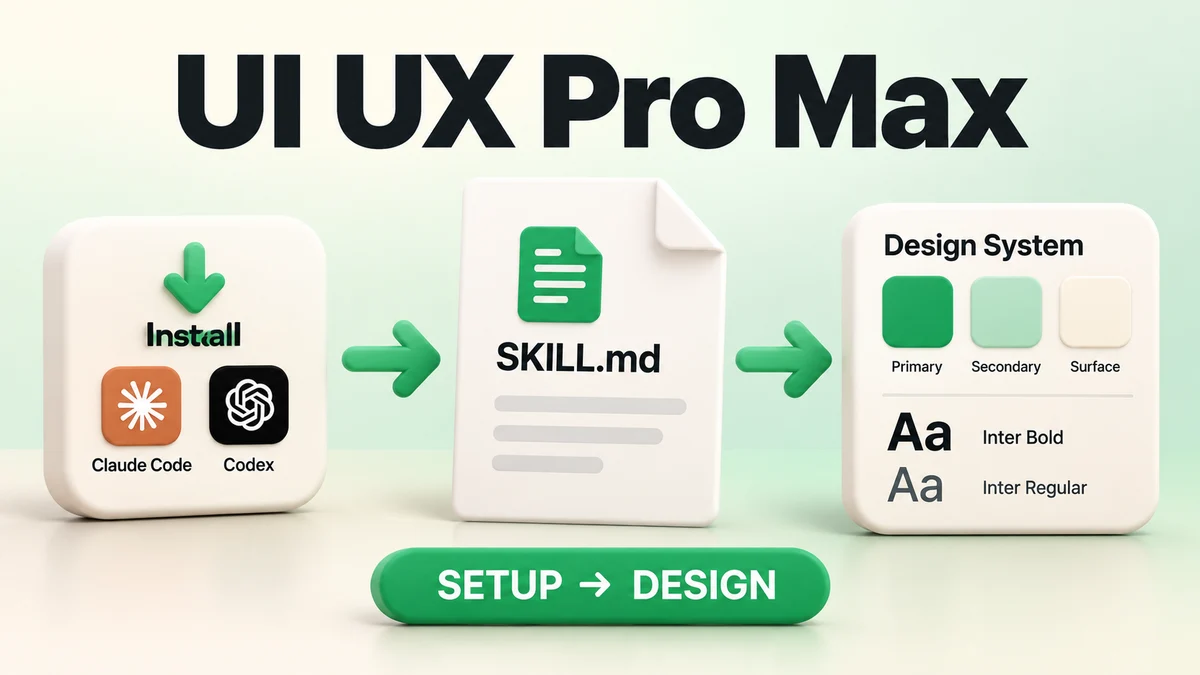
Find the correct skill folder and create a design brief. Turn its recommendations into project rules.
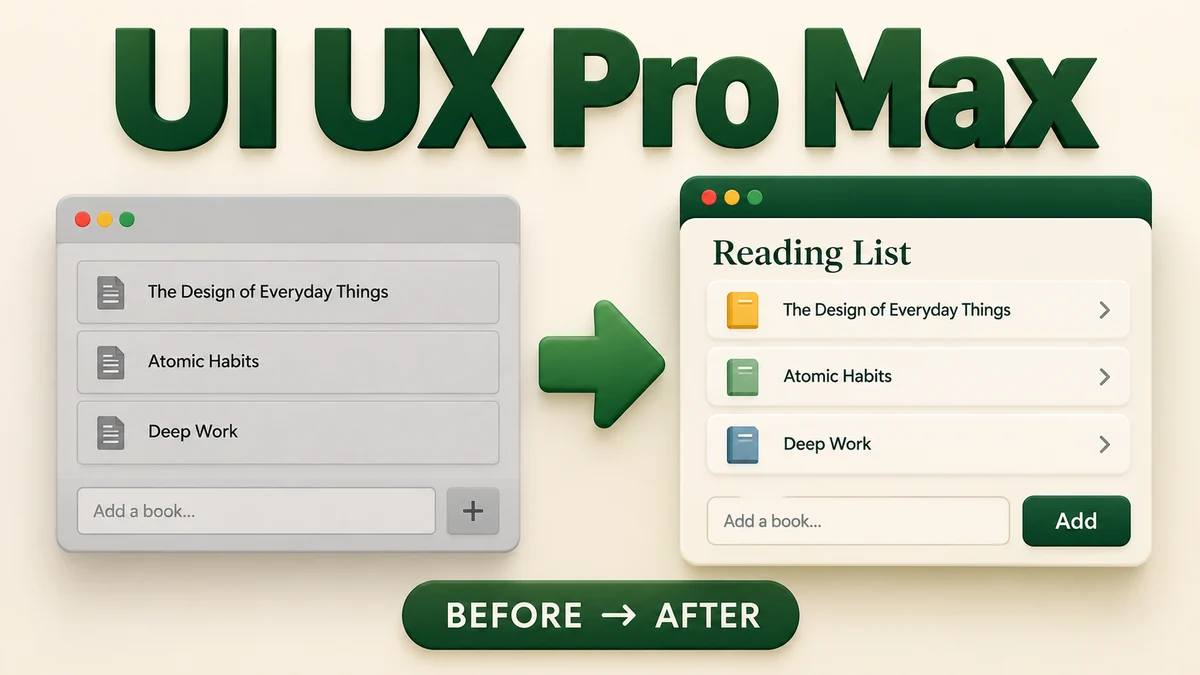
Compare a reading-list app before and after. Check that saving, filters and read status still work.
Follow a service-page example with working navigation, FAQ and a form that prepares a local summary.
Continue the earlier plan into a runnable local app. Download the files and follow the checks for adding links, read status, filters, deletion and refresh persistence.
“Add search” leaves important choices open. Follow six actual clarification questions and the implementation plan returned after explicit decisions.
Find deliberate deferrals before they disappear into the codebase. Our actual example collected three marked comments and identified one missing revisit condition.
Before another package enters your project, check what you already have. Follow the installation path and see our explicit Ponytail skill call, with hooks and permanent installation kept separate.
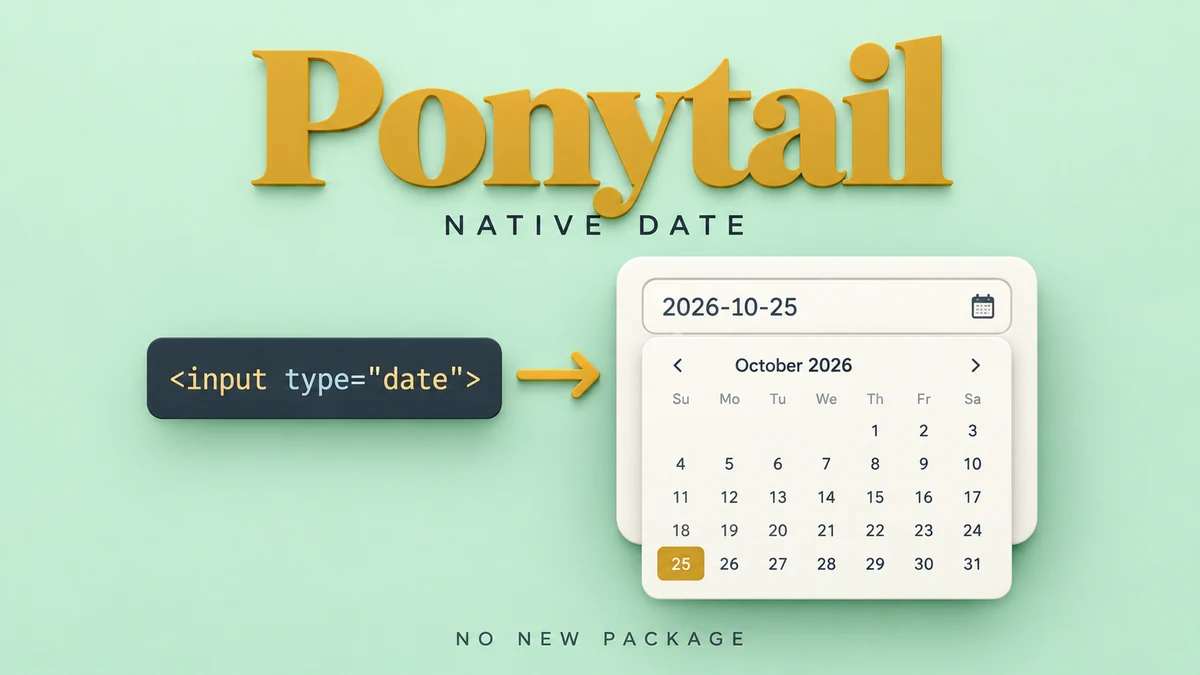
Before adding a calendar package,inspect what the browser already provides. Download the actual one-attribute edit and independently checked date-range,empty-input and keyboard examples.
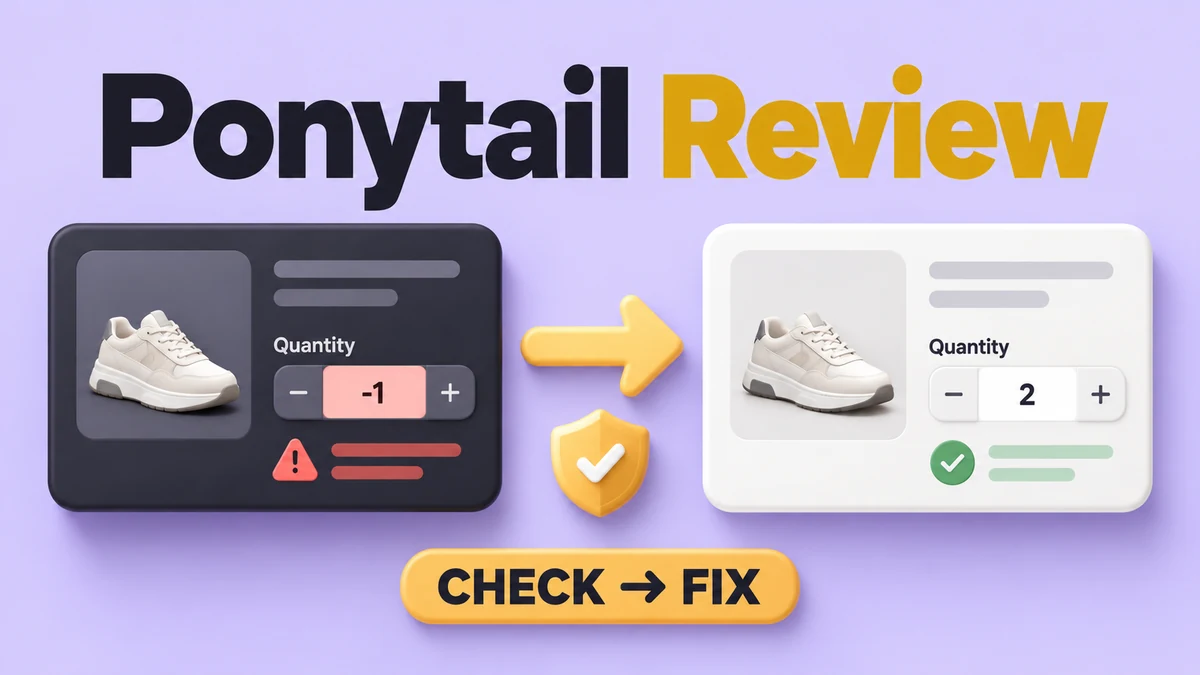
Short code can still calculate the wrong amount. Read the actual review,inspect a separate fix,and run the same13 checks before and after the change.
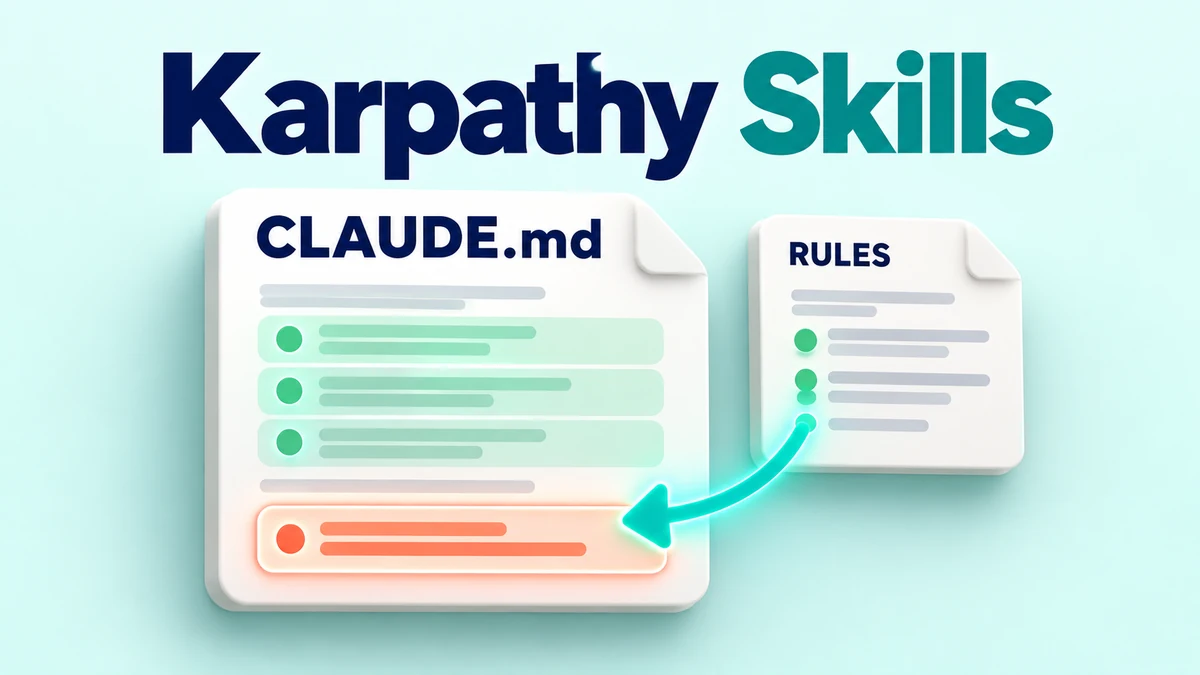
Keep your project rules, import the reviewed guideline separately and check an actual response that retained our original marker and Korean-language rule.
Specify the repair and preserved files, then inspect a real one-line edit and independent click, keyboard and mobile checks.
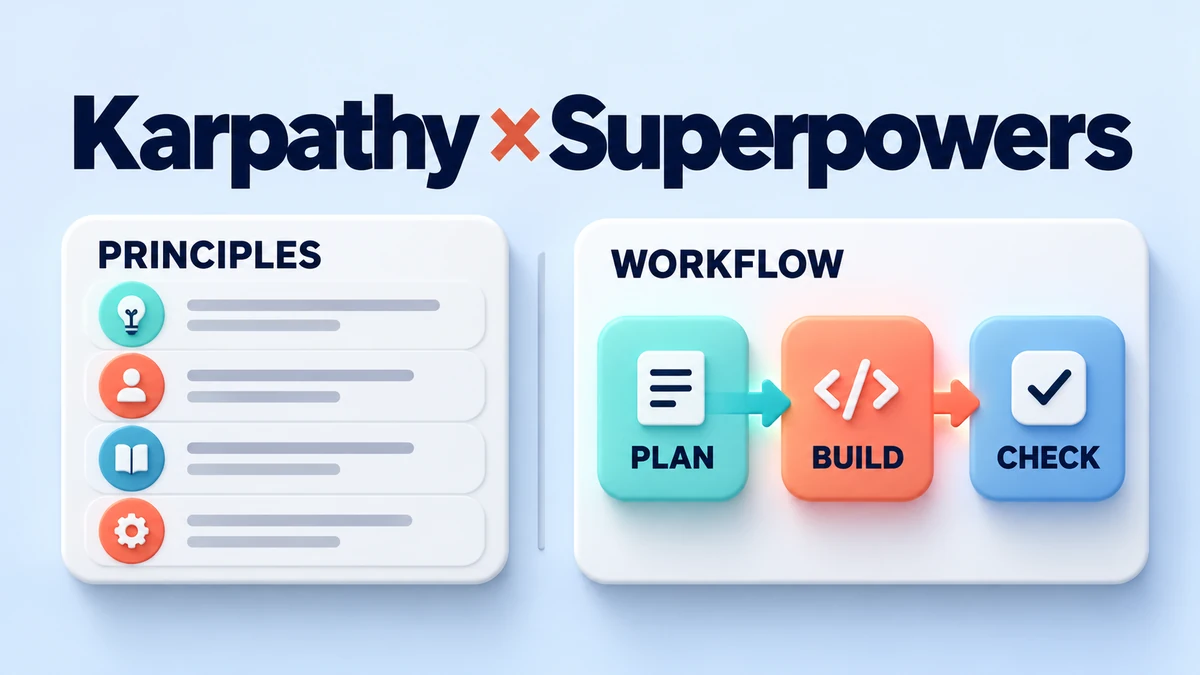
Separate behavior principles from development workflows, and inspect what we actually verified when loading both plugins and calling the Karpathy skill.
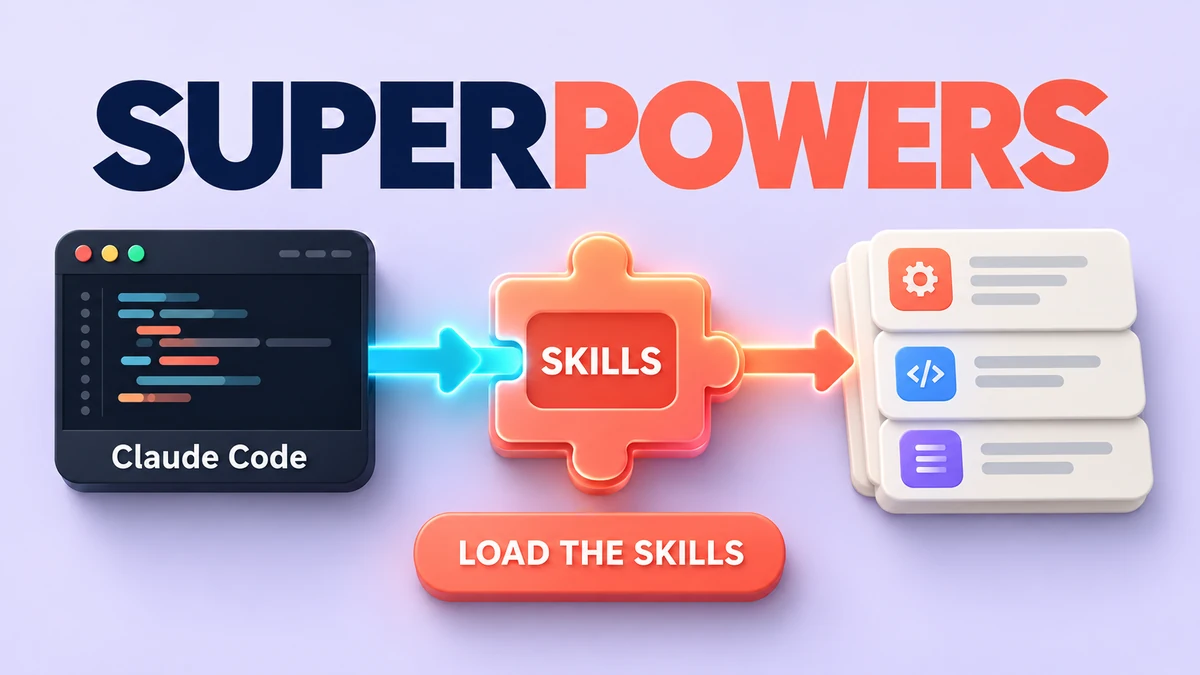
Go beyond an installed badge. We loaded Superpowers7.0.0 in Claude Code, found15 packaged skills and received a first question. The Codex path is documented separately.
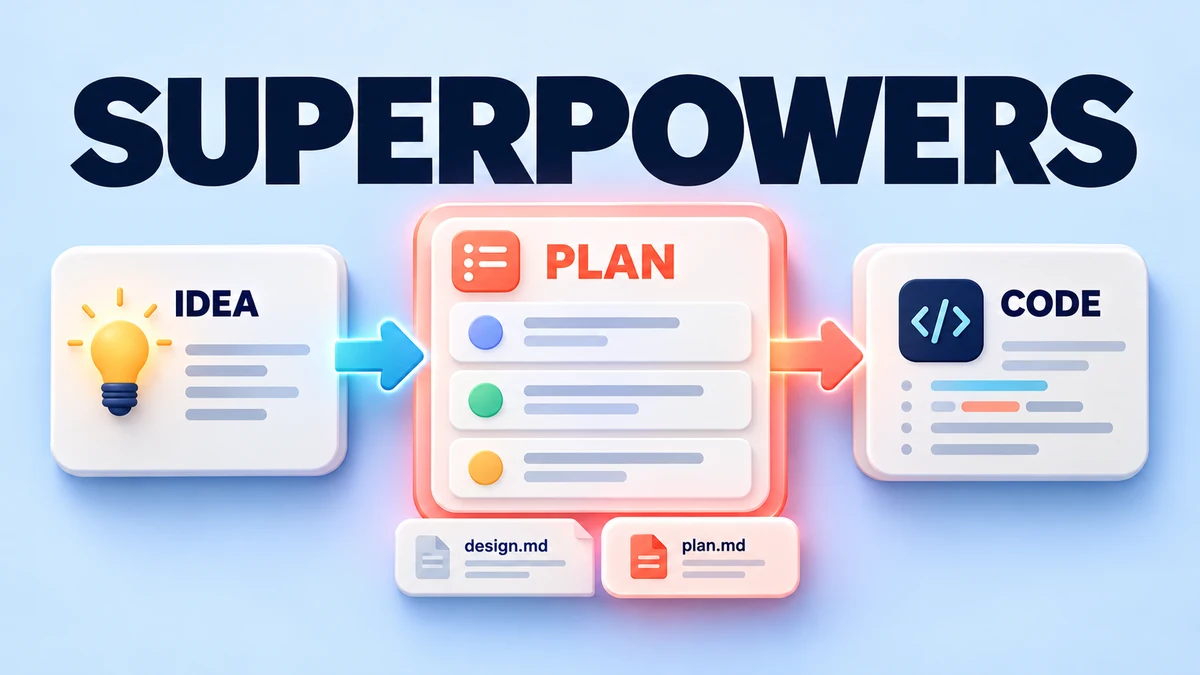
Turn “build an app” into inspectable work. We generated a design and plan from a fictional reading-queue brief, then checked model-added decisions before implementation.
Check the same tests, not just “fixed”. We repaired a reversed predicate and verified an unchanged suite moved from1pass/2fail to3pass/0fail.
Trace why a completed note persists: connect REA, ask a concrete question, and follow the storage and restoration code in a small owned example.
Separate web discovery from direct Naver browsing. An actual museum-hours exercise shows how to check source URLs, weekday conditions and missing verification.
Run REA 6.5.0 on a small notes app, inspect source locations, retain a no-match result and verify behavior separately in a browser.
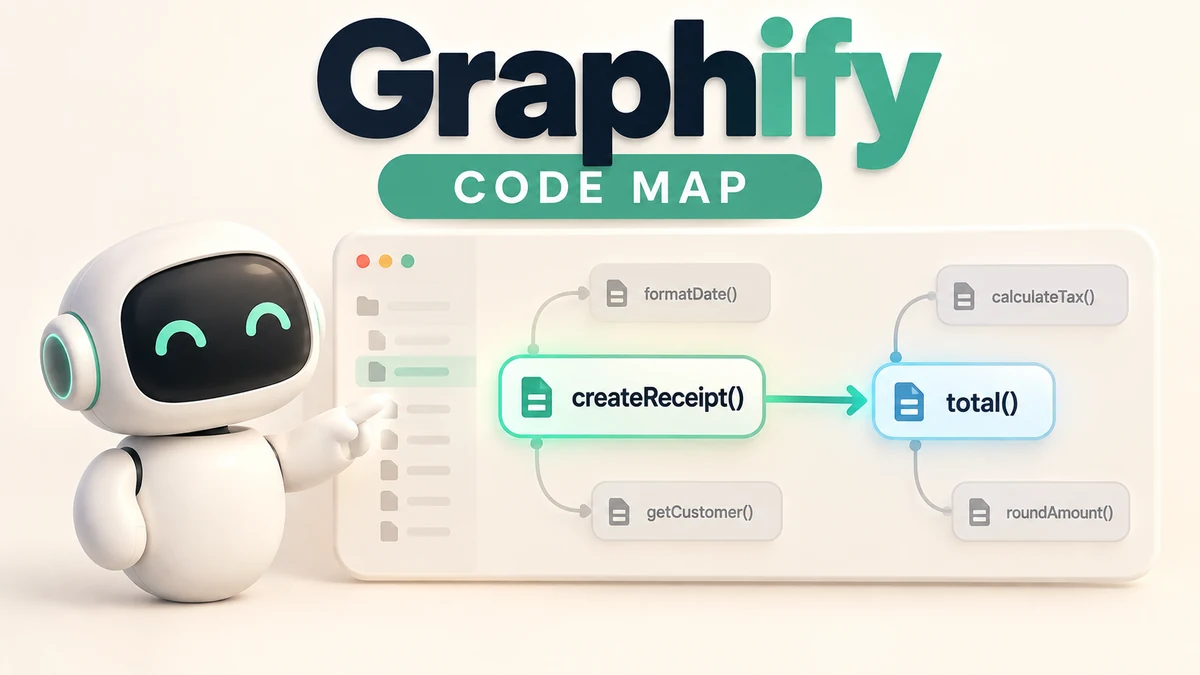
Build a local graph in Windows PowerShell, then trace createReceipt → total. Download both the fictional source and our actual Graphify output.
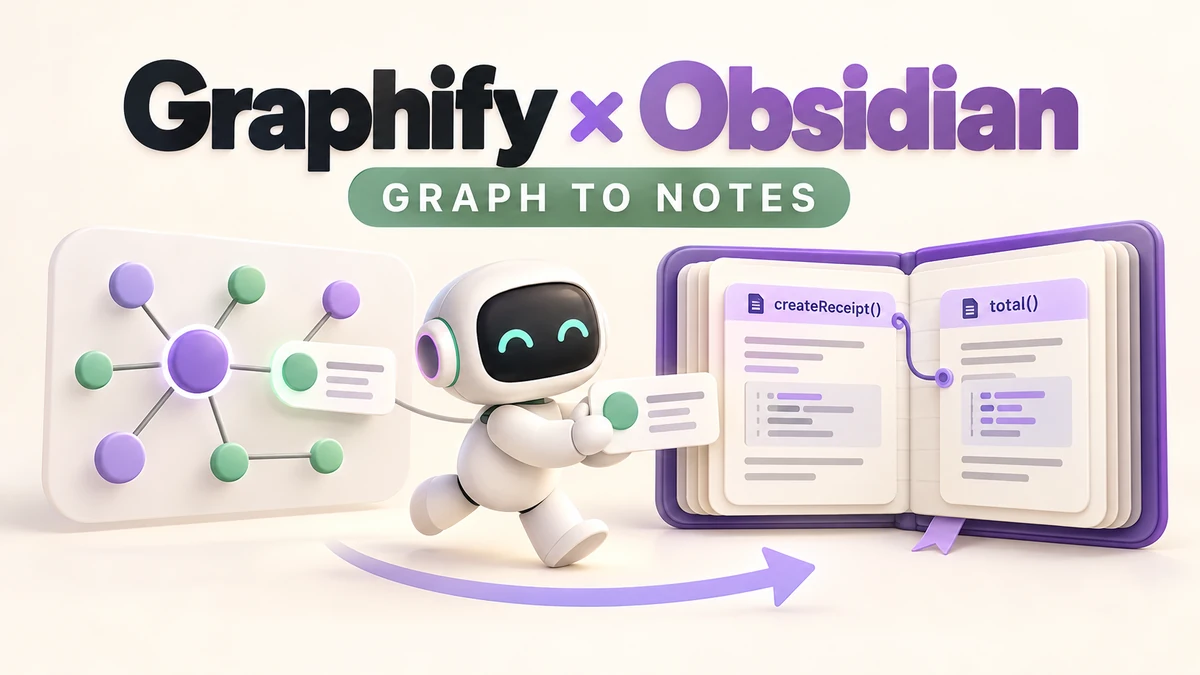
Download our actual seven-note export and Canvas, or generate the same files yourself. Follow a function call, then add your own next action.
Run query, path and explain on two files. Check direction, duplicate names and missing results against actual CLI output.
Open a four-note starter vault, connect sources to your own explanation, and leave a clear next action instead of another saved chat.
Run a four-stage code exercise and inspect actual changed calls and removed source references instead of trusting an update message.
Check account requirements, find specifically named sources, resolve an old email against a revised document and draft only after checking originals.
An urgent subject is not enough. A fictional exercise distinguishes an extended deadline, an optional delivery inquiry and a newsletter, then corrects an overlong reply.
Start with the photos each scene needs. An actual planning exercise produces four editorial scenes and an unfilled estimate before any Artlist generation.
We loaded two local Claude Code skills as one plugin and invoked both against a fictional workshop memo. See what each layer does—and what a successful load does not prove.
Place SKILL.md in the right folder, invoke meeting-pack and inspect the saved file. We also revised a rule after the first output added an unsupported announcement promise.
We connected a real Filesystem server, read a test marker through Claude Code, and distinguished missing-file, directory-boundary and tool-approval errors.
A saved graph can still point to an old function after the source changes. We reproduced that mismatch and built a four-note workflow separating evidence, decisions and unknowns.
Try removing a filter or using another search term.